What Is the Difference Between Business Casual and Business Professional Attire?
Published on May 9, 2024 | Updated August 17, 2026
By Lily Ertischek
Dress Codes That Run the Office
The line between business casual vs business professional attire confuses just about everyone at some point, and getting it wrong makes a major impact, from first impressions to fitting into the company culture. This guide breaks down both dress codes, what to wear for each, and how to land the right look for your office, a job interview, or a client meeting.
At a Glance:
- Business professional attire is the more formal dress code, built around a tailored suit, dress shirt, and tie.
- Business casual attire is more relaxed, allowing for suit separates, button-down shirts, and even polo shirts in some offices.
- The primary difference between the two comes down to formality, accessories, and how tailored the silhouette is.
- Neutral colors like black, navy, and gray dominate both dress codes, with business casual allowing more pattern and personality.
- Reviewing the employee handbook and observing coworkers helps you nail the right balance for any workplace.
It's an age-old question: what should you wear to work? Dress codes like business casual and business professional share some similarities but each have distinct characteristics that set them apart. Business casual now leads the way, with 41% of US workers reporting it as their typical office dress compared to just 3% who still wear formal suits. Still, understanding the distinction can save you from awkward outfit mishaps at the office and help you nail a first impression at a new job, a career fair, or a client meeting.
What Is Business Casual Attire?
Business casual attire strikes a balance between professional and relaxed, offering a polished yet comfortable look suitable for a variety of work environments. The business casual dress code allows for more flexibility and personal expression than traditional business professional attire, though the overall look should still read as professional.
Common colors for business casual attire include neutrals like black, navy, gray, and beige, along with muted tones and subtle patterns. Business casual often incorporates elements of casual wear, such as knit sweaters, chinos, and blouses, allowing for a more relaxed and approachable appearance.
The key to mastering business casual attire is striking the right balance between professionalism and comfort. There is room for individual style, but the outfit still needs to convey a sense of professionalism and respect for the workplace environment.
Business Casual Attire for Men
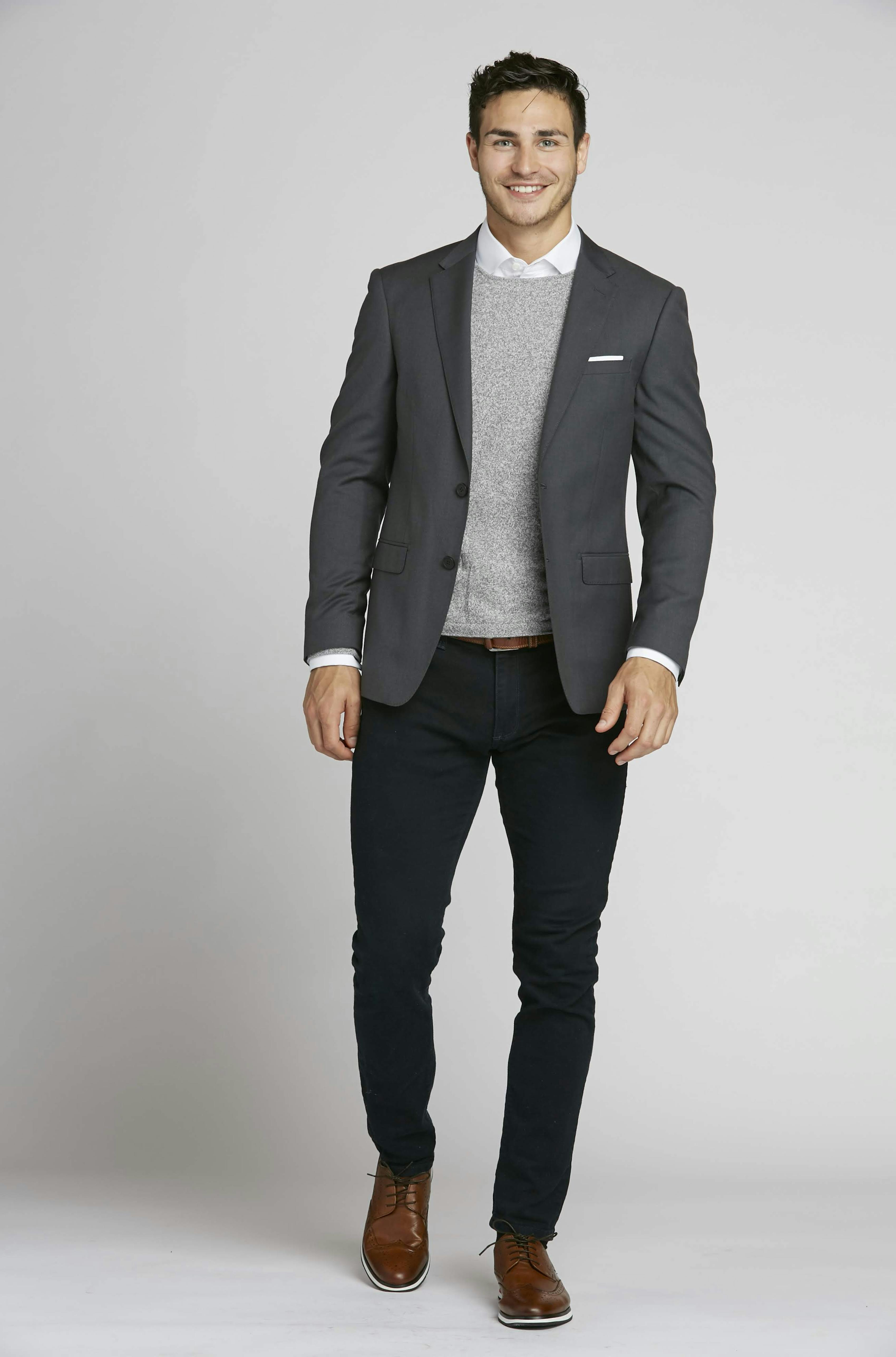
Business casual attire for men keeps things relaxed while still looking sharp. The look usually centers on suit separates, a polished shirt, and dress shoes, with room to mix in casual layers like sweaters or vests.
- Suit. A full men's suit is generally not required in a business casual setting, but suit separates still elevate the look. Opt for dress slacks in neutral colors like black, navy, or gray, and pair them with a coordinating suit jacket if desired. This keeps the silhouette tailored and sophisticated without the formality of a full suit.
- Shirt. Button-down shirts are a staple of business casual attire for men. Choose shirts in classic colors like white, light blue, or subtle patterns like stripes or checks. Avoid overly casual styles like t-shirts or polo shirts unless they are explicitly allowed in your workplace dress code.
- Footwear. Opt for dress shoes such as oxfords, loafers, or derby shoes in leather or suede. For some offices, avoid sneakers or overly casual shoes, since they can detract from the overall professional look. In more relaxed environments, sleek loafers help balance the business with the casual.
- Optional layers. Layer with a sweater, cardigan, or vest for a more relaxed yet put-together look. Mixing and matching suit separates allows for versatility, letting you build multiple outfits from a few key pieces.
- Accessories. A belt that matches your shoes in color and material keeps the look cohesive. Business casual attire usually does not call for neckwear, but a pocket square or a casual watch can add personality. Keep jewelry minimal and professional.
Business Casual Attire for Women

Business casual attire for women lands at the intersection of stylish and comfortable. The dress code is less strict than traditional professional dress codes, giving you the freedom to show off personal style while still looking put together for the office.
- Tops. Blouses, button-down shirts, and tailored tops in solid colors or subtle patterns all work for business casual attire. Tops should fit well, with sleeves that provide coverage and necklines that are not too revealing.
- Bottoms. Dress slacks, trousers, or tailored pants in neutral colors like black, navy, or gray are the most common picks. Skirts in appropriate lengths, typically falling at or below the knee, are also acceptable. Avoid overly casual styles like jeans or shorts.
- Dresses. Dresses in classic silhouettes and modest styles, such as A-line or sheath dresses, are stylish options for business casual. Patterns and prints are acceptable as long as they are not too loud or distracting.
- Footwear. Closed-toe shoes such as pumps, flats, or loafers in leather or suede are ideal. Avoid overly casual styles like sneakers or sandals, as well as anything too high or impractical for all-day wear.
- Optional layers. A blazer, cardigan, or sweater adds depth and interest. Blazers in classic colors like black, navy, or gray are versatile and can easily elevate the look.
- Accessories. Stick to simple and understated jewelry, like stud earrings, a delicate necklace, or a classic watch. Belts add definition and pull an outfit together. Keep accessories professional rather than loud or distracting.
What Is Business Professional Attire?
Business professional attire is a formal dress code reserved for corporate settings, professional meetings, and other formal business occasions. It is the pinnacle of workplace dress codes, projecting a sense of professionalism, authority, and sophistication. This dress code is appropriate for environments where a strict and polished appearance is required, like boardrooms, client meetings, or a job interview.
Colors lean classic, mostly black, navy, or charcoal gray, and fabrics are higher quality, like wool blends or cotton. Patterns stay minimal and conservative, with options like pinstripes, subtle checks, or solid colors dominating the wardrobe. Professional clothing in this category is built to last, so investing in well-tailored pieces means your work wardrobe holds up across years of meetings, presentations, and formal events.
Overall, business professional attire is about projecting a professional image and commanding respect in the workplace. It is the look of a confident and capable professional, ready to step into any high-stakes setting.
Business Professional Attire for Men
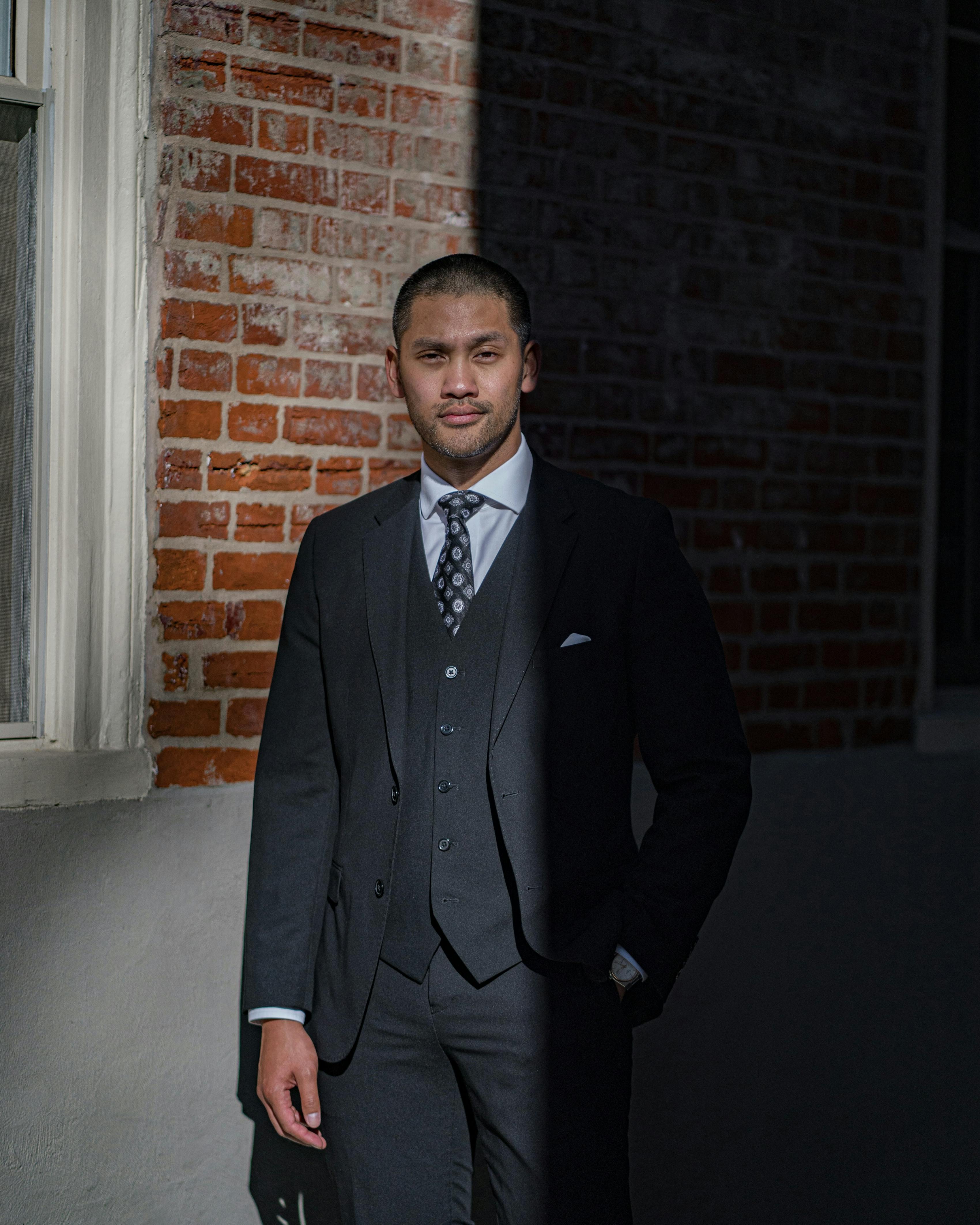
Men's business professional attire centers on a well-fitted suit, a crisp dress shirt, a silk tie, and polished leather shoes. This is the kind of outfit you wear for big meetings, client pitches, or any other formal business setting.
- Suit. A well-fitted suit is the cornerstone of business professional attire for men. Opt for a single-breasted or double-breasted suit in classic colors like navy, charcoal, or black. The suit jacket should fit comfortably and accentuate the shoulders and waist.
- Shirt. A crisp white dress shirt is a must. Choose one with a pointed collar and long sleeves for a classic, polished look. Make sure the shirt is well-pressed, with sleeves that extend just past the wrist and a collar that sits snugly against the neck.
- Tie. A silk tie in a solid color or subtle pattern adds the finishing touch and conveys attention to detail. The tie should be neatly knotted and hang just above the belt buckle.
- Footwear. Dress shoes are the finishing piece. Choose leather oxford or derby shoes in black or brown, depending on the color of your suit. Keep them well-polished and free from scuffs.
- Accessories. Keep accessories classic and understated. A simple leather belt that matches your shoes is a must, and a subtle pocket square or a pair of cufflinks adds personality without going overboard.
Business Professional Attire for Women
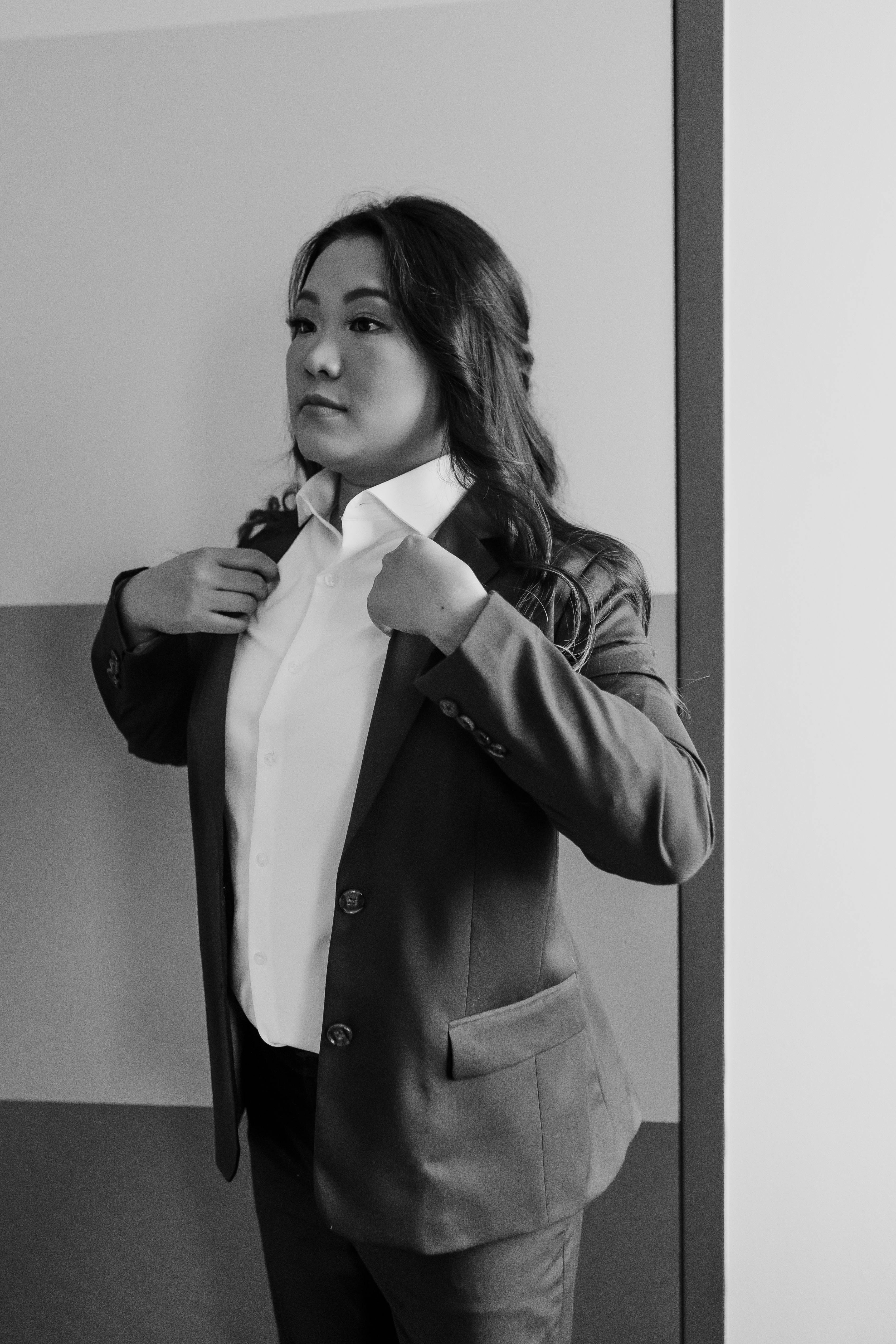
Business professional attire for women projects confidence, competence, and authority in the workplace. The lineup includes polished and tailored garments suitable for formal business settings, client meetings, and corporate events.
- Pantsuit. A women's suit, often called a power suit, is a classic choice. Opt for a well-tailored suit jacket paired with matching dress pants in classic colors like black, navy, or charcoal gray. The pants should fit comfortably with a straight or slightly tapered leg.
- Skirt suit. A skirt suit is another option, with a tailored jacket paired with a matching pencil or A-line skirt that hits at or below the knee.
- Dress. Dresses in structured silhouettes and modest lengths, such as sheath or A-line dresses, work well in a professional setting. Solid colors or subtle patterns add interest without being too distracting.
- Tops. Button-down shirts, blouses, or tailored tops in classic colors like white, light blue, or pastels keep the look polished. Tops should fit well and be free from wrinkles or creases.
- Footwear. Closed-toe shoes such as pumps, loafers, or flats in neutral colors like black, brown, or navy keep the silhouette polished. Heel height should be moderate and comfortable for all-day wear.
- Accessories. A structured handbag, simple jewelry like stud earrings or a delicate necklace, and a tailored belt are the right finishing touches. Skip anything too flashy or distracting.
Business Casual vs. Business Professional: Side by Side
The fastest way to grasp the difference between the two dress codes is to put them next to each other. The table below breaks down the key elements of each so you can spot the right look for your workplace at a glance.
Element | Business Professional | Business Casual |
Suit | Full tailored suit in navy, charcoal, or black | Suit separates or a single blazer with dress pants |
Shirt | Crisp white dress shirt with pointed collar | Button-down shirt in solid or patterned colors |
Tie | Silk tie required | Tie optional, often skipped |
Footwear | Polished leather oxfords or derby shoes | Loafers, oxfords, or sleek dress shoes |
Colors | Black, navy, charcoal, white | Neutrals plus muted patterns and softer tones |
Accessories | Leather belt, cufflinks, subtle pocket square | Belt, casual watch, optional pocket square |
Best for | Job interview, client meeting, formal business | Day-to-day office settings, casual workplaces, career fair |
What Are the Differences Between Business Casual vs. Business Professional Attire?
The difference between business casual and business professional attire is similar to comparing formal vs. semi-formal attire. Business professional leans toward the formal end, with structured suits or dresses in classic styles and colors, ideal for formal business settings and corporate events. Business casual is more laid-back, allowing for separates like dress slacks or skirts paired with blouses or button-down shirts, suitable for office settings with a less rigid dress code.
Smart casual sometimes enters the conversation as a middle ground, sitting just below business casual in formality. The line is fuzzy, but smart casual attire usually allows dark denim, knit polos, or untucked button-down shirts, while business casual still leans toward dress pants and tucked shirts.
Business Attire FAQs
What is not appropriate business attire?
Inappropriate business attire includes flip flops, t-shirts, shorts, workout clothes, ripped or torn garments, and anything overly casual or revealing. These pieces undermine credibility and professionalism in most office settings. Stick with clothing that is neat, polished, and appropriate for the workplace.
Do you need to wear a tie for business professional attire?
Yes. A business professional dress code typically requires wearing a necktie. The tie acts as a finishing touch, conveying professionalism and attention to detail. Choose classic colors and patterns that complement your suit, knot it neatly, and let it hang just above the belt buckle. Coordinate the tie with your shirt or pocket square for a cohesive look.
How can you balance personal style with professionalism?
Balancing personal style with professionalism comes down to finding the right balance between a sharp silhouette and small details that reflect your taste. Start with a well-fitted suit that flatters your body shape, then add a touch of personality with accessories like pocket squares, cufflinks, or tie bars. These details add color or pattern without breaking the dress code.
How do you determine what to wear to the office?
Start with the employee handbook if your workplace has one, since it usually lays out the dress code clearly. If you're still unsure, observe what your coworkers are wearing for inspiration. When in doubt, ask. Getting a feel for what is considered appropriate in your workplace helps you nail the office style with confidence, especially during your first few weeks at a new job.
From the Boardroom to a Wedding Reception
A well-fitted business professional suit is one of those wardrobe pieces that earns its keep beyond the office. The same SuitShop suit that anchors a client meeting can carry you through a friend's wedding, a rehearsal dinner, or a black tie optional event with a quick swap of shirt, tie, and shoes. Jackets and pants are sized separately at SuitShop, which means you get a closer fit without paying for tailoring, and that polished look translates across both formal events and workdays.

Ready to Suit Up for Work and Beyond?
Dressing confidently in business casual and business professional attire comes down to finding the right balance between professionalism and personal style. SuitShop has everything you need to look business-ready, from suits to dress shirts, ties, and accessories. Use the Fit Finder and Fit Guide to find a closer fit in minutes, then walk into your next job interview, client meeting, or formal event in something you actually own.

Lily Ertischek
Lily is constantly reading, keeping up with the latest TV, and seeking out the best bites. She lives in New York City.
More Articles

The Vineyard Wedding Guide: Planning, Venues, and What to Expect
by Sean Parks September 30, 2026

Homecoming Suit Buying Guide: What to Look For and Where to Shop
by Sean Parks September 30, 2026



Customer Service
Contact Us
- Get In Touch
- Corporate Services
- +1 (773) 303-6006
- info@suitshop.com
Sign up for emails
© Copyright 2026 SuitShop