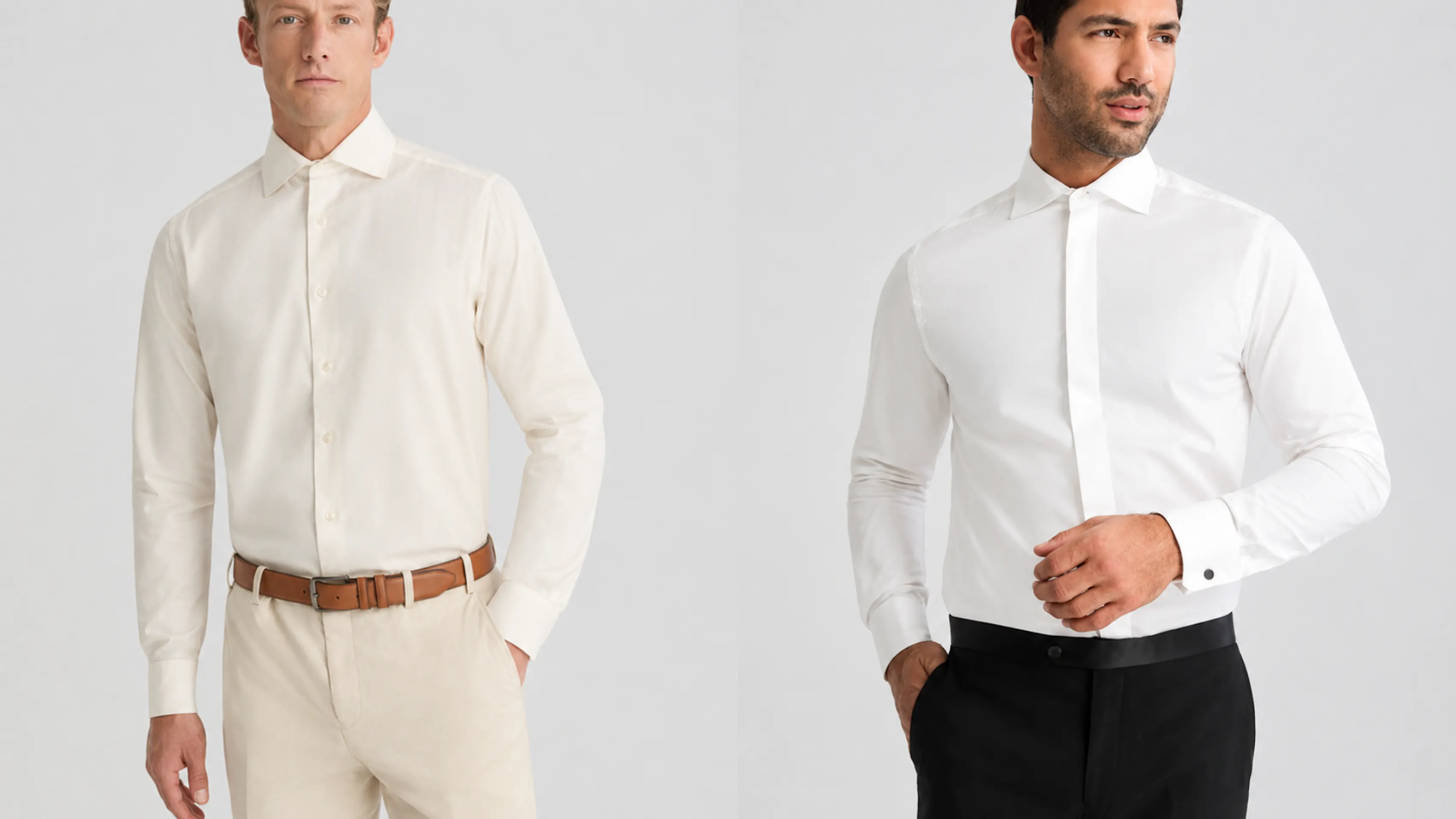
Two Shades, Two Very Different Vibes
Ivory and white sit next to each other on the color wheel, but they hit the eye in completely different ways. Picking the right one for your dress shirt can shift the entire feel of an outfit, from crisp and modern to soft and traditional.
At a Glance:
- White is a true neutral with cool undertones, while ivory carries a warm, yellow undertone.
- White dress shirts photograph crisper under natural light and pair with nearly every suit color.
- Ivory dress shirts soften the look and complement warm skin tones and rustic settings.
- The right choice often comes down to skin tone, lighting conditions, and the dress code of the event.
- When in doubt, go for a white button-up shirt, since it’s classic and designed to work with any suit or style.
- The right white dress shirts, like this one, work for weddings, business, and formal events with one easy swap of accessories.
A white shirt has been the default formalwear choice for over a century, but ivory has carved out its own space in fashion. This guide breaks down the textbook difference between the two and shows when each one earns its spot in your closet.
What Is the Difference Between Ivory and White?
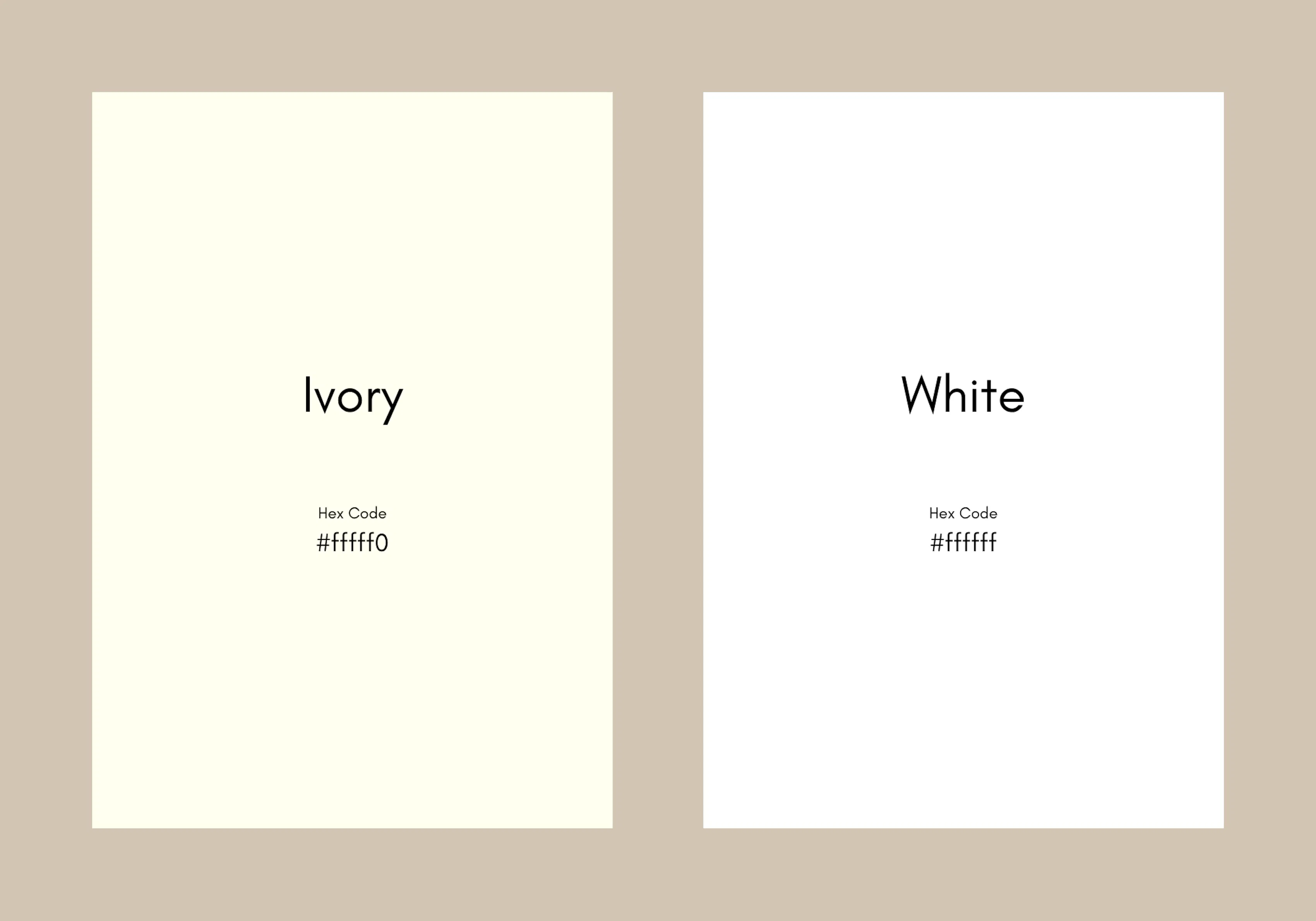
White is a pure, neutral color with no other pigment mixed in. Ivory is an off-white shade with a yellow undertone, named after the natural color of elephant tusks. Side by side, white reads as bright and cool, while ivory looks softer, warmer, and slightly aged.
The two colors hit the same family but tell different visual stories. Pure white reflects all wavelengths of visible light, which is why it appears so bright under natural light and camera flashes. Ivory absorbs a small amount of blue light, giving it that creamy, warmer tone that feels gentler on the eye.
A quick technical breakdown:
Attribute | White | Ivory |
Undertone | Cool, neutral | Warm, yellow |
Hex code (typical) | #FFFFFF | #FFFFF0 |
Visual feel | Crisp, bright, modern | Soft, vintage, traditional |
Common comparisons | Snow, white flower, cotton | Cream, eggshell, bone, sugar flower |
Best lighting | Natural light, evening | Soft, candlelit, golden hour |
The two colors are close enough that many people use the terms interchangeably, but the subtle shift in undertone changes how each shade reads against skin, against other clothing, and on camera.
A Brief History of White and Ivory in Formalwear
The white dress shirt rose to prominence in the early 1800s as a symbol of wealth, since only people who didn't do manual labor could keep a white shirt clean. By the late Victorian era, the white shirt was a fixture of menswear. Queen Victoria popularized the white wedding dress in 1840 when she wore one for her marriage to Prince Albert, cementing white as the default formal color.
Ivory came onto the scene as a softer alternative. Brides who wanted a less stark look gravitated toward ivory wedding dresses and ivory gowns, and the trend filtered into menswear as a complementary shirt color. Today, both shades hold their own across weddings, business settings, and formal events.
When to Wear a White Dress Shirt
A white dress shirt is the most versatile shirt color you can own. It pairs with every suit shade from charcoal to tan, suits every dress code from business casual to black tie, and works with any tie color. If you only buy one dress shirt, make it white.
A few scenarios where a white dress shirt is the right call:
- Black tie events. A crisp white shirt is the standard pairing with a tuxedo, often with French cuffs and studs.
- Business and office wear. White reads professional in any setting, from interviews to client meetings.
- Bright outdoor weddings. Natural light makes a white shirt pop in photos.
- Modern or minimalist styling. A pure white gown for the bride pairs naturally with a white shirt for the groom.
- Weddings with cool color palettes. Navy, charcoal, and black suits all look sharpest with white.
The biggest advantage of a white shirt is its flexibility. The same shirt that anchors a black-tie tuxedo can pair with a blue jean and a suit jacket for a relaxed weekend look.


When to Wear an Ivory Dress Shirt
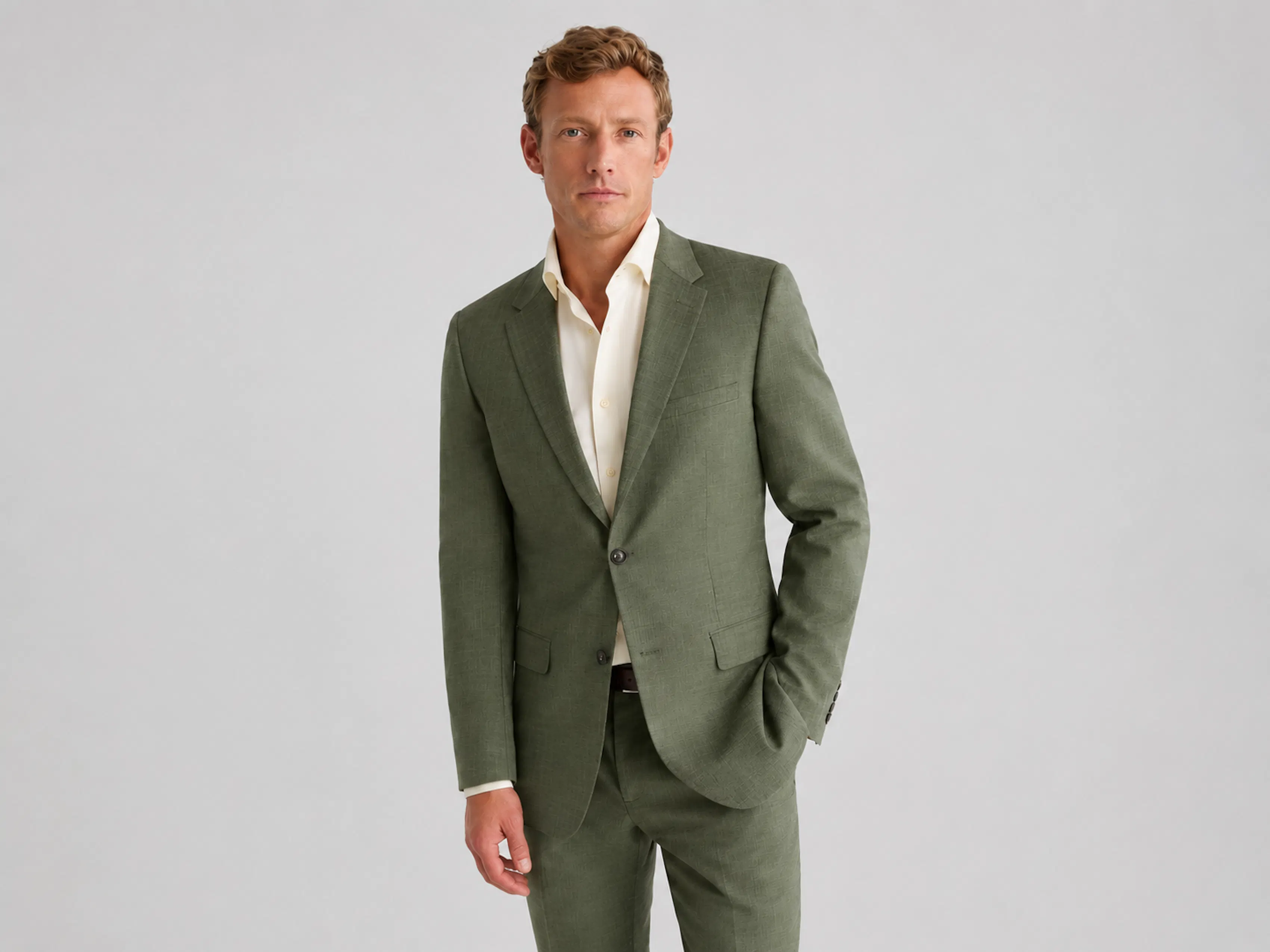
An ivory dress shirt brings warmth and a vintage edge to formalwear. It works especially well for rustic, outdoor, or candlelit weddings, and it tends to flatter people with warm undertones, olive skin tones, or darker skin tones. Ivory can also soften the overall look of a tuxedo or dark suit.
Ivory shines in these situations:
- Daytime outdoor weddings in golden-hour light, where the warmer tone matches the lighting.
- Rustic or bohemian wedding dress themes, including barn, vineyard, or ranch settings.
- Pairings with an ivory wedding dress or ivory gown, where matching shades create a cohesive bridal look.
- Earth-toned suits, like tan, brown, olive, or burgundy.
- Vintage-inspired weddings, especially those leaning into 1920s, 1940s, or rustic Americana looks.
The catch with ivory is that it does not always play nicely with pure white. An ivory shirt paired with a pure white gown can clash visually, since the white makes the ivory look yellowed or dingy by comparison. The correct formula is to match warmth with warmth and brightness with brightness.
How Skin Tone Affects Your Choice
Skin tone plays a big role in whether white or ivory looks better on you. Pure white tends to flatter cool undertones and fair skin, while ivory typically suits warm undertones, olive skin tones, and darker skin tones. That's a general rule, not a hard one, since lighting and styling can shift the result.
A quick guide to choosing based on undertone:
- Cool undertones (pink, red, or bluish hues in the skin): White brings out brightness without clashing.
- Warm undertones (yellow, peach, or golden hues in the skin): Ivory complements rather than competes with the natural warmth.
- Olive skin tones: Ivory often looks softer and more flattering than stark white.
- Fair skin with cool undertones: White creates contrast that frames the face cleanly.
- Darker skin tones: Both work well, though ivory adds warmth while white provides a sharper contrast.
If you're unsure, the easiest test is to hold both shades up to your face in natural light and see which one makes your skin look more even.
Ivory vs. White in Photos
White dress shirts photograph more reliably than ivory, especially under mixed lighting. White acts as a true neutral and reflects whatever light source is around it, which means it reads as clean and crisp in nearly every shot. Ivory can pick up surrounding colors, sometimes looking yellow or beige depending on the lighting conditions.
That doesn't mean ivory is a bad photo choice. In soft, warm light, like a sunset ceremony or candlelit reception, ivory glows in a way that white can't replicate. Photographers often note that ivory holds up better in overexposed shots, since pure white can blow out and lose detail. White, on the other hand, holds detail under flash photography and indoor lighting.
Quick guidance:
- For weddings shot in natural light, both work, but ivory feels warmer.
- For evening or indoor weddings, white maintains its crisp look under any lighting.
- For black tie events with formal photographers, white is the safer choice.
Pairing Each Shade With a Suit
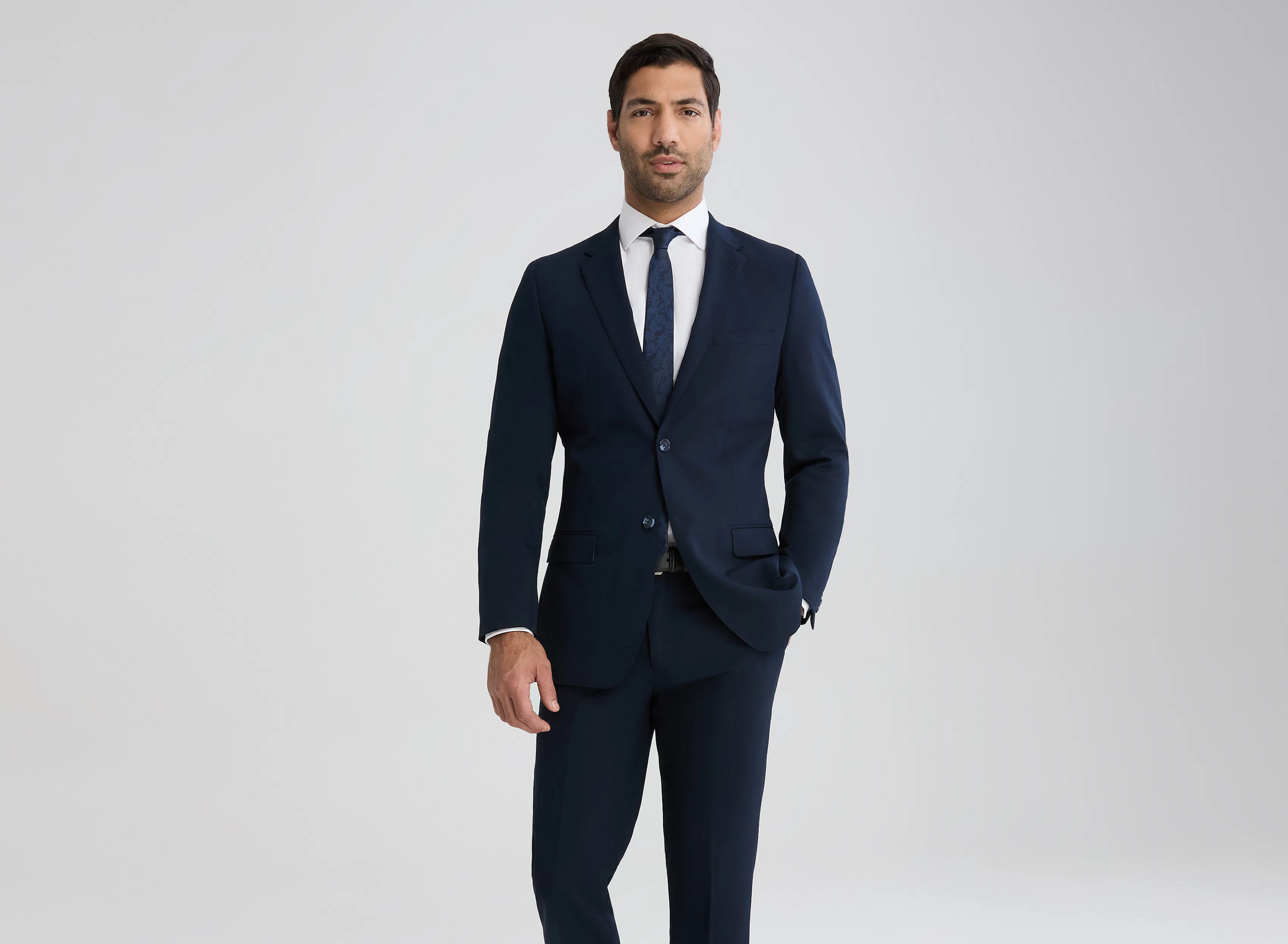
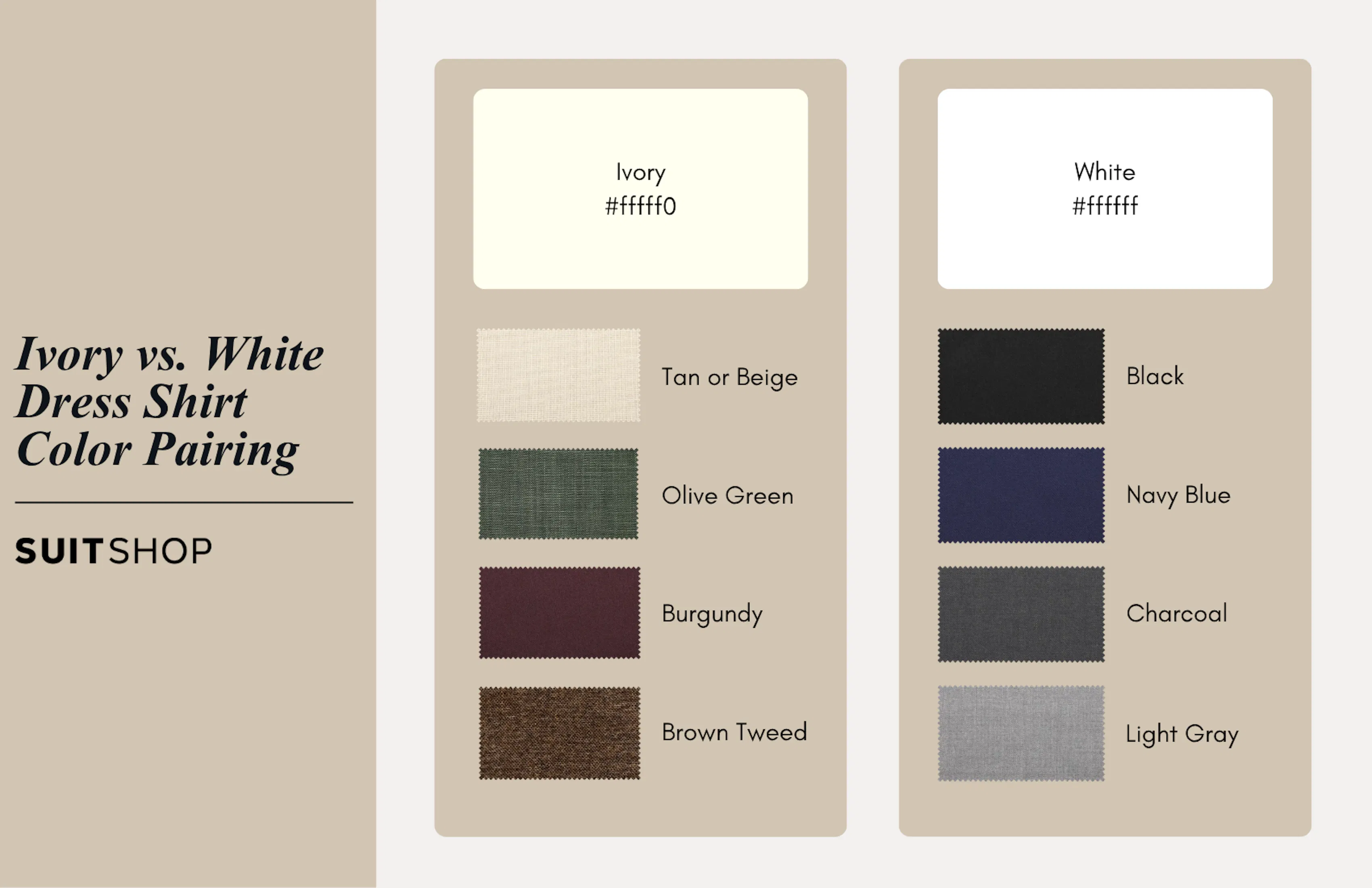
The suit color sets the tone for the shirt. A white shirt is the universal pairing, and it’s guaranteed to work every time, with everything from black to tan to colorful options. Be more selective with wearing and pairing ivory dress shirts, since they look best with earthy tones and warmer colors that share the undertone.
White dress shirts pair well with:
- A black suit for formal events and black-tie optional weddings.
- A navy suit for evening weddings, work, and most semi-formal events.
- A charcoal suit for business and balanced formal looks.
- Lighter suits like tan and light grey for daytime weddings.
Ivory dress shirts pair better with:
- Tan, beige, or cream suits for rustic or beach weddings.
- Brown or olive suits for fall and outdoor settings.
- Burgundy or rust suits for warm-toned wedding palettes.
- Tweed jackets for vintage or country-style events.
A tight color palette is what makes a wedding party look intentional. Free fabric swatches make it easy to match shirt and suit shades before ordering, which is especially useful when coordinating an entire wedding party.
What This Means for Your Wedding Day
For wedding attire, the dress shirt color should coordinate with both the suit and the bride's gown. If the bride is wearing a pure white wedding gown, a white shirt for the groom keeps the look unified. If the bride is in an ivory wedding dress or her ivory wedding veil leans warm, an ivory or off-white shirt creates a more cohesive bridal look. Coordinating with the photographer in advance helps lock in the right shade for your venue's natural light and color palette.
For groomsmen, white is the safer, more flexible call. It pairs with any suit color the couple picks and gives the wedding party a uniform look in photos. Plus, every member of the wedding party can wear a quality white shirt long after the big day, from office settings to future formal events.
Time to Suit Up
The right dress shirt sets the foundation for every outfit it touches. SuitShop's classic white dress shirt is built for weddings, work, formal events, and everything in between, with multiple fit options and inclusive sizing. Pair it with a SuitShop suit and a few well-chosen accessories to build a wedding look that lasts well beyond the ceremony.
Shop SuitShop dress shirts today and own the foundation of your formalwear, no rental required.

Sean Parks
Sean Parks is a writer with a focus on men's suiting, formalwear, and personal style. Through his work with SuitShop, he has developed a deep understanding of suit fit, styling, wedding attire, and the details that help people feel confident in what they wear. A proud University of Georgia graduate with dual degrees in Public Relations and Communication Studies, Sean brings a research-driven approach to making suiting advice clear and approachable. When he's not writing about menswear, you'll find him logging miles on the Atlanta Beltline or playing the guitar on his back porch.
More Articles

The Vineyard Wedding Guide: Planning, Venues, and What to Expect
by Sean Parks September 30, 2026

Homecoming Suit Buying Guide: What to Look For and Where to Shop
by Sean Parks September 30, 2026



Customer Service
Contact Us
- Get In Touch
- Corporate Services
- +1 (773) 303-6006
- info@suitshop.com
Sign up for emails
© Copyright 2026 SuitShop