So You Just Got Engaged: How to Start Wedding Planning
Published on December 7, 2025 | Updated December 8, 2025
By Nathaniel Longmore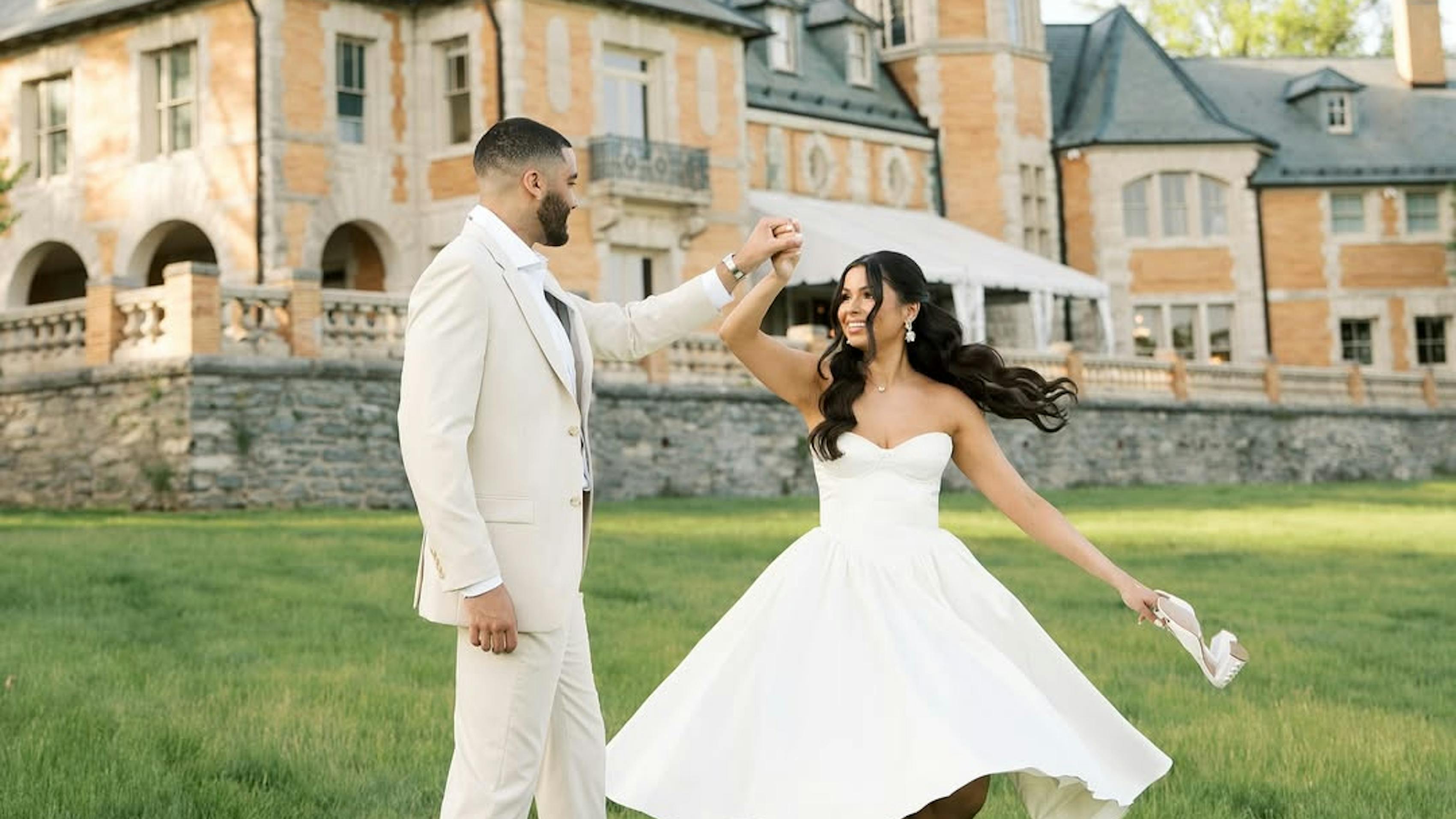
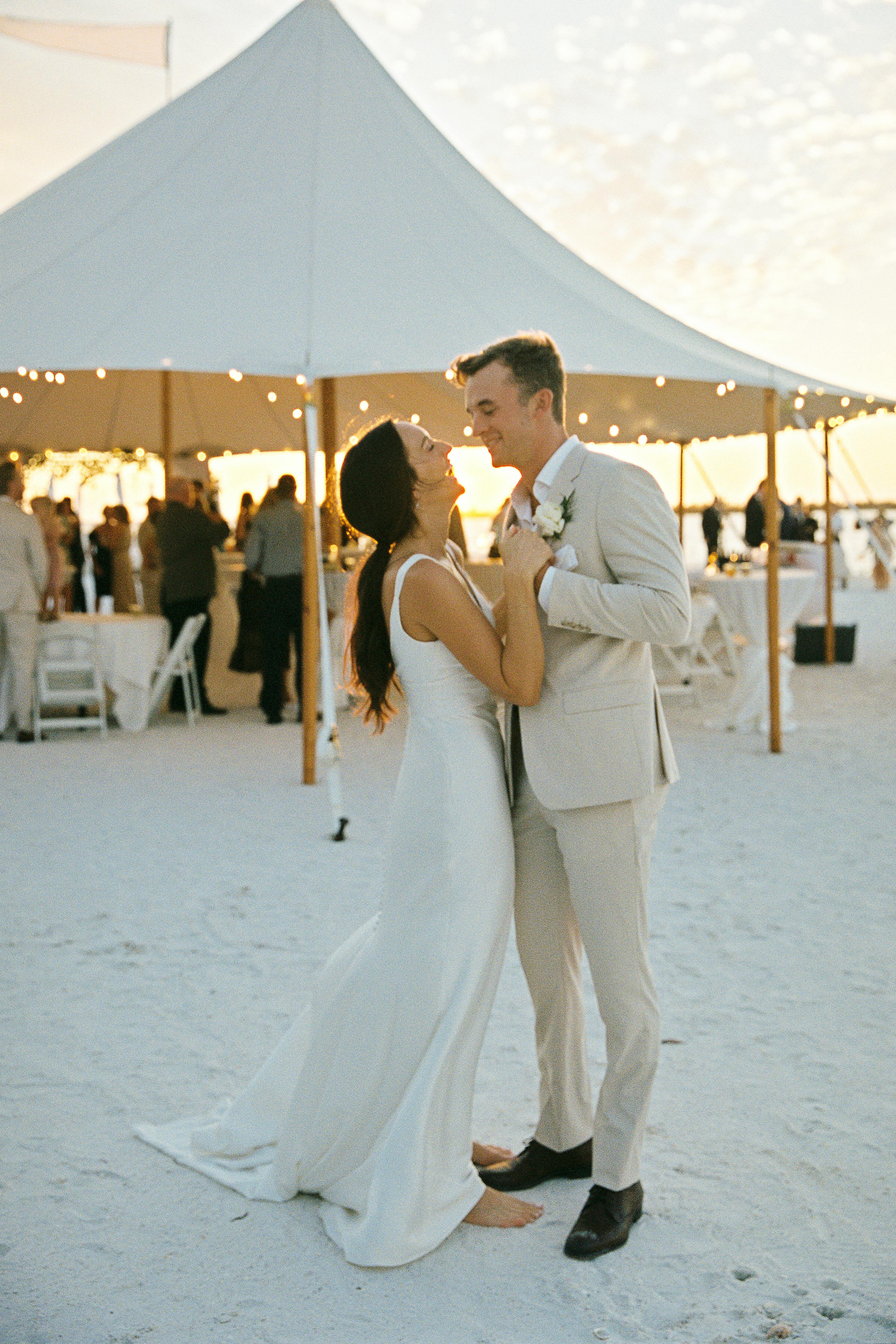
Rachel Rosenstein Photo
Key Points: Beginning Wedding Planning
- Start with open, honest conversations with your fiancé to get (and stay!) on the same page, identify a wedding vision, and set yourselves up to make decisions to bring that vision to life.
- Consider how many people you want to have at your wedding, whether you want a big, medium, small, or super intimate celebration.
- Decide on a wedding budget you are both comfortable with, factoring in any contributions from family and your biggest priorities.
- Think about the general location where and season during which you'd like to have your wedding. Booking the venue, and therefore setting the date, will anchor the rest of your wedding planning decisions.
- Book your wedding photographer, wedding coordinator or planner, and catering early. Others wedding vendors like the florist and music are also helpful to book sooner than later.
- Build out more of the details with your wedding aesthetic, from decor to attire. Think centerpieces, groomsmen suits, bridesmaid dresses, wedding gown, groom's tuxedo or suit, and wedding guest dress code.
- Finalize the rest of your vendors, like wedding reception activities, an officiant, stationary, and more.
A Guide to Wedding Attire, Vendors, Decor & More
Getting engaged is one of those moments that feels both surreal and electric. One second you’re celebrating with loved ones, soaking in the excitement, and staring at your ring every thirty seconds, and the next, your brain jumps to planning. Where do we begin? What decisions do we need to make when? How do we even know what we want? Should we hire a planner?
If this is relatable, take a breath. You don’t need to plan an entire wedding in one sitting. What you can do is start intentionally, create a solid foundation, and make confident decisions as you go. This guide breaks down the first steps to take after getting engaged, from aligning on vision and budget to selecting vendors, decor, and, of course, choosing what you’ll wear on the big day.
Celebrate Engagement, Then Have the First Big Talk
The very first step in wedding planning isn’t a to-do list; it’s a conversation.
Before you book anything, take time to talk about what matters most to both of you. This includes the emotional side like “What kind of day do we want to experience?” as well as the practical “How big should this wedding be?” Couples who skip this step often end up backtracking later.
Discuss your wedding vision
You don’t need a fine-tuned Pinterest board. Think broadly at this stage:
- Do you picture a small, intimate candlelit dinner?
- A big dance floor-filled party?
- A destination weekend with a beachside ceremony?
- A chic city evening?
- A backyard garden party?
Start thinking wedding budget
This part may not be as glamorous, but it’s crucial to set expectations and align with reality. Talk through:
- What you want to spend overall
- Contributions from family, if applicable
- What areas you want to prioritize
Budgeting is also the time to decide if you want to hire a planner. While this adds to your spending, it often helps you save in other places and can really add some peace of mind throughout the planning process and the day of the event.
At this point, you’ll also want to narrow down if you’re envisioning a more minimalist gathering, something traditional, or a fully immersive experience. There’s no wrong answer, only what matches your shared values and comfort level.
Build your wedding guest list (even roughly)
You don’t need the exact headcount now, but establishing a ballpark number early creates clarity. Many major vendor decisions depend on guest count, especially your venue, catering needs, and budget.
It’s also helpful to decide what vibe you’re going for:
- A micro wedding for 20-50 guests
- A mid-sized event for 75-120
- A large gathering of 150+
From here, begin drafting a list. You’ll refine it later, but even an approximate number helps you move forward without guesswork. At this point, you may also want to start considering whether you’ll allow plus ones. Pro tip: List everyone you could ever imagine inviting and narrow down if necessary!
Choose Your Wedding Season and Location
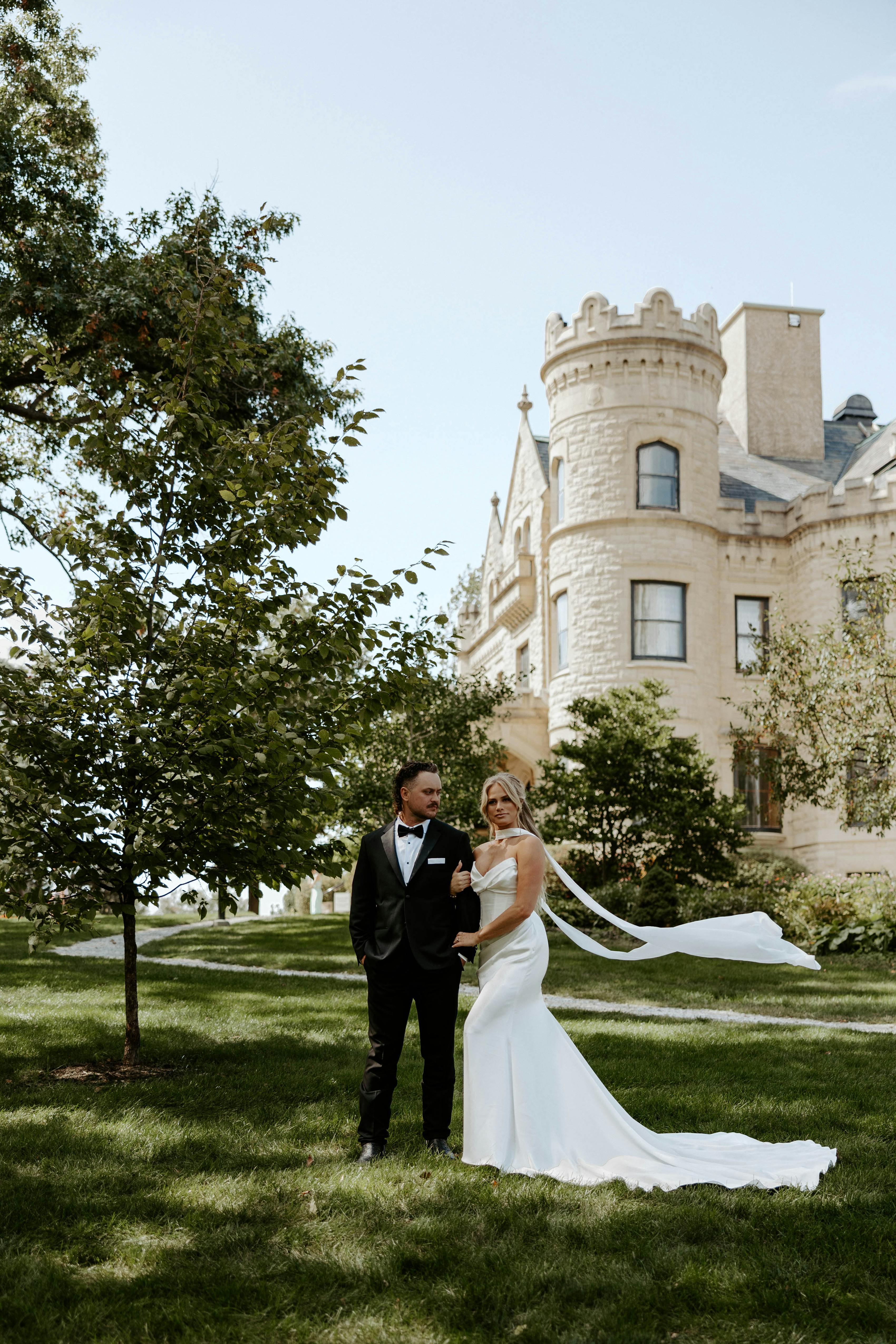
Left: Alexis Danielle Photo
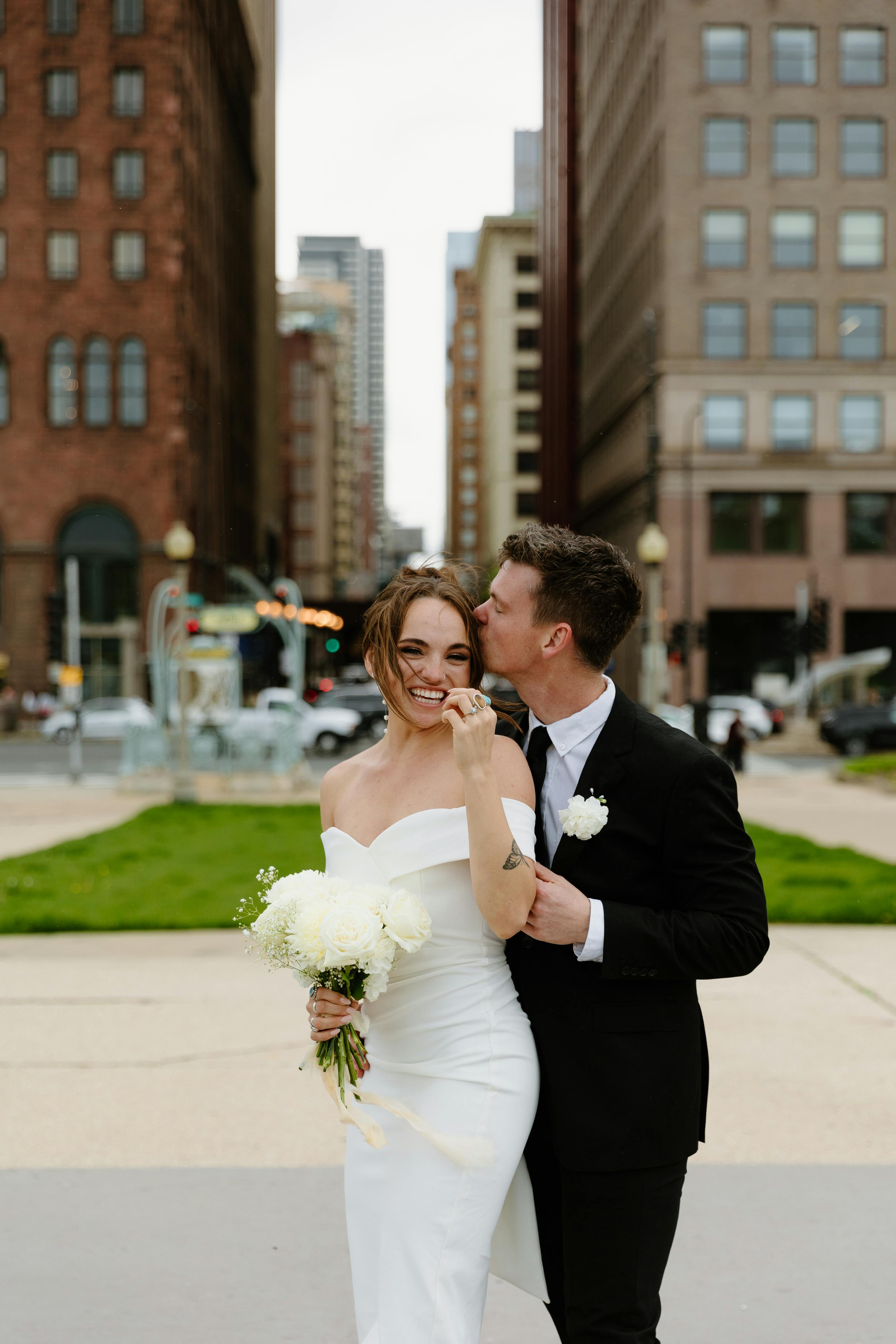
Right: Nichole Babiez Photography
Before selecting specific venues, decide on the time of year and general location. Will you stay local? Travel to a city you love or where you met? Host a destination wedding? Are you picturing the cozy chill of fall, the lush greenery of spring and summer, or crisp winter elegance?
The combination of guest count, location, and season lays the groundwork for a lot of other choices you’ll make. Once those three things are loosely decided, your wedding vision becomes significantly clearer.
Book Your Wedding Venue
This will serve as the biggest anchor of all. The venue you select determines your wedding date, the aesthetic, and sometimes even the vendors. This is the first major booking and typically guides everything that comes after. Going in knowing the basics of what you want is crucial here. If you have any true dealbreakers, like a wedding date that’s special to you, be sure to go in with that up front.
When touring venue options, consider:
- Atmosphere: Does it match the energy you want? Is it romantic, modern, rustic, industrial, garden, ballroom, etc.?
- Capacity: Does it comfortably fit your expected guest count? This is where you might decide to cut down your list if the venue checks all other boxes.
- Flexibility: Does it include in-house catering or allow outside vendors? Is the decor restricted in any way, or can you add personal touches freely?
- Logistics: How accessible is it? Is there parking on-site, or will you need a shuttle service? Do you need accommodations nearby for out-of-town guests?
Once your venue is set, you officially have your date, and the real planning begins!
Prioritize the Wedding Vendors You Should Book Early
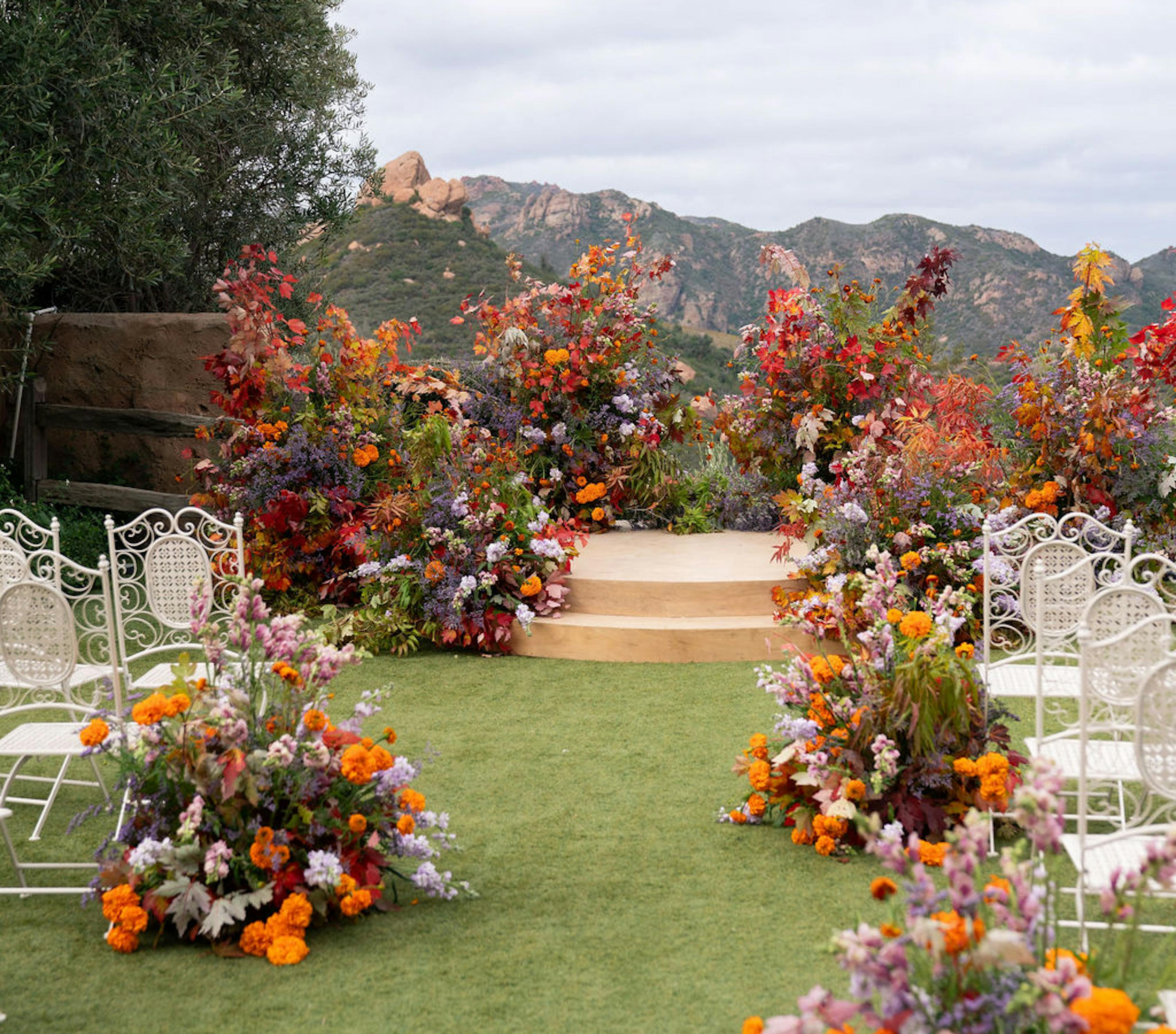
Jessica Paige Photo Co
Some vendors book out 12-18 months ahead of your wedding. These are some you’ll want to lock down after your venue (or just before if they’re flexible).
Wedding photography and videography
Photographers often book faster than any other vendor except venues. If you want a specific style (film, editorial, documentary, moody, etc.), start browsing portfolios early. If you want videography done too, see what your options are for vendors working together or find a company that does both.
Wedding planner or coordinator
Whether you want full or partial planning, decide this early so you have the level of support that aligns with your event. Some couples choose a planner before anything else to have help with the initial steps, but many planners are willing to join along the process.
Wedding catering
If your venue doesn’t include food service, this goes to the top of the list as well. Nail down the type you want (buffet, family, plated, etc.) and start considering if you want a traditional wedding cake or some other type of celebratory dessert.
You may also want to think about dietary preferences and restrictions, even if it’s just having an option on a larger menu.
Music
Both live musicians and DJs have peak seasons, especially for weekends! Decide what kind of music you want and explore your options sooner rather than later.
Florist
Florists book early for popular seasons like spring and fall, especially those who offer large-scale installations or editorial-style arrangements.
Once these core vendors are secured, everything else falls into place more easily.
Establish Your Wedding Style

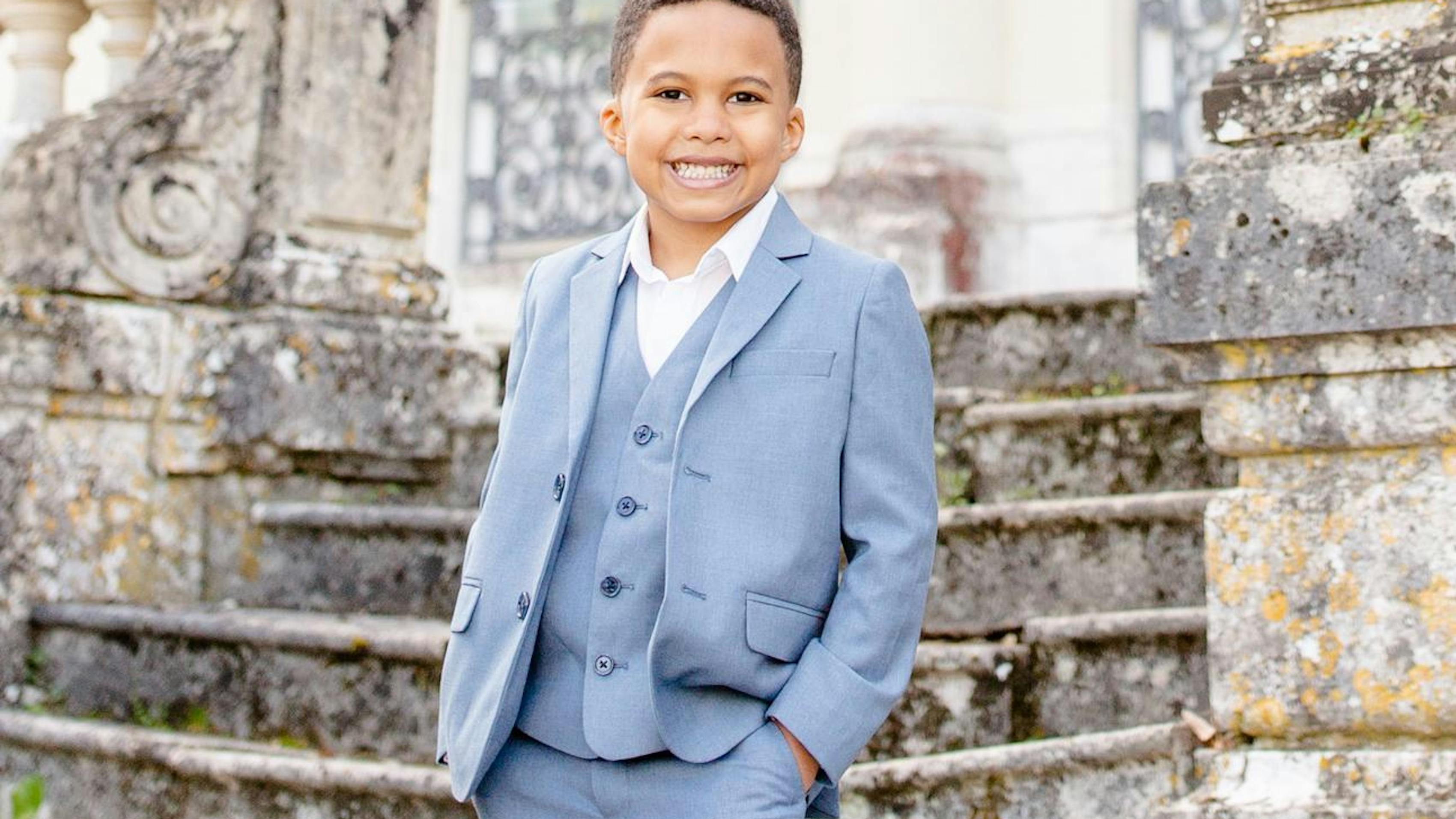
Left: Natalie Kysar Photography
Right: Veronica Costas Weddings
This Helps with decor, attire, and wedding colors or a color palette. Now comes the creative part: defining the aesthetic. Your wedding style will shape the color palette, decor, attire, and general atmosphere.
Ask yourselves:
- Do we prefer something modern or classic?
- Structured and elegant or soft and romantic?
- Dramatic? Minimalist? Moody?
- Do we want bold pops of color or neutrals?
- Do we have cultural traditions we want to highlight?
This is where mood boards become invaluable tools. Pinterest, Instagram, and vendor galleries can help you identify patterns in your taste and help communicate what you want.
Decor considerations
Once you hone in on a look and feel of the day, think through:
- Table settings and centerpieces
- Lighting (candles, uplighting, string lights)
- Backdrops and ceremony arches
- Reception layout
- Lounge areas or statement pieces
Nothing needs to be set in stone yet, just build a design direction to guide the next stage: attire.
Start Thinking About Wedding Attire
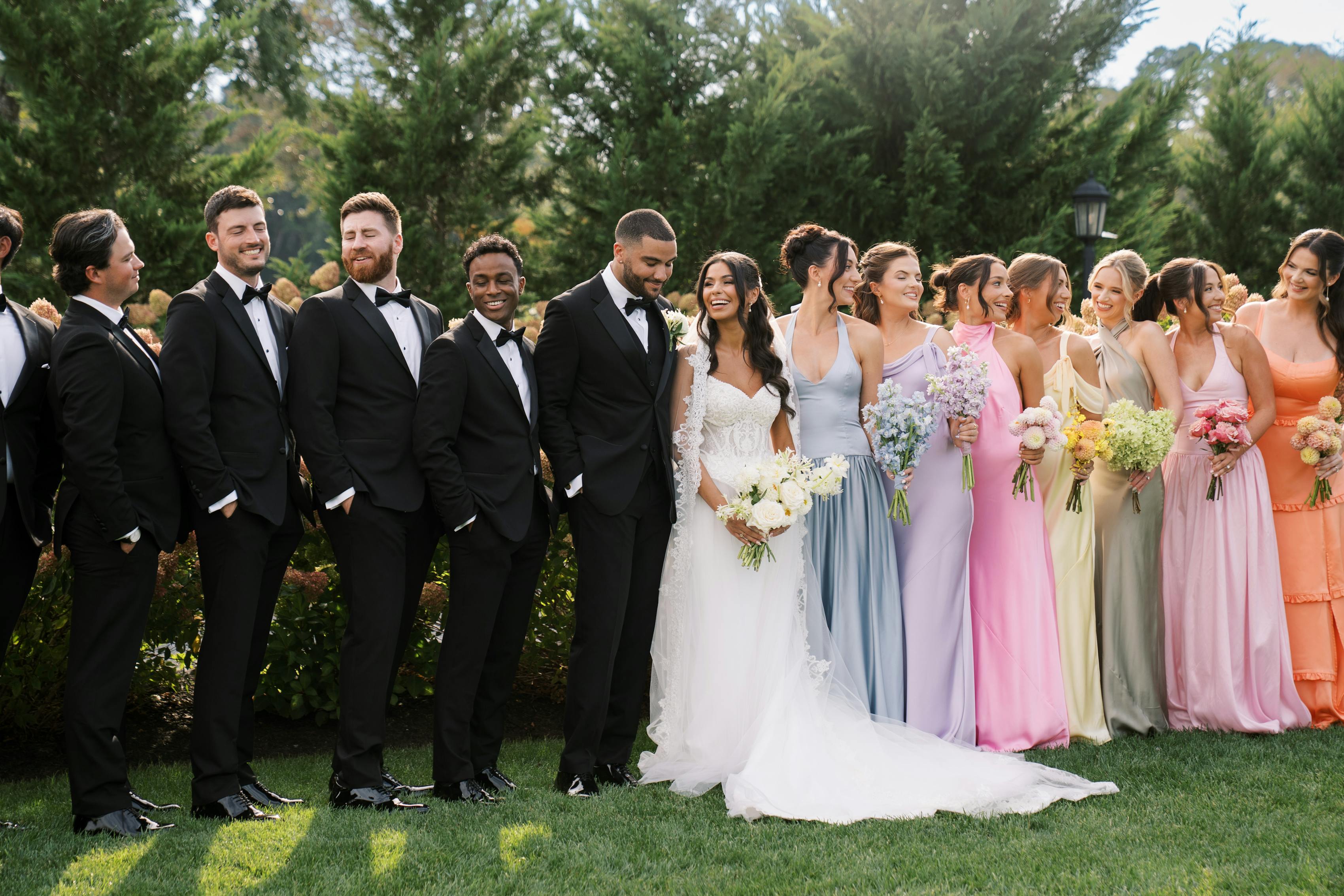
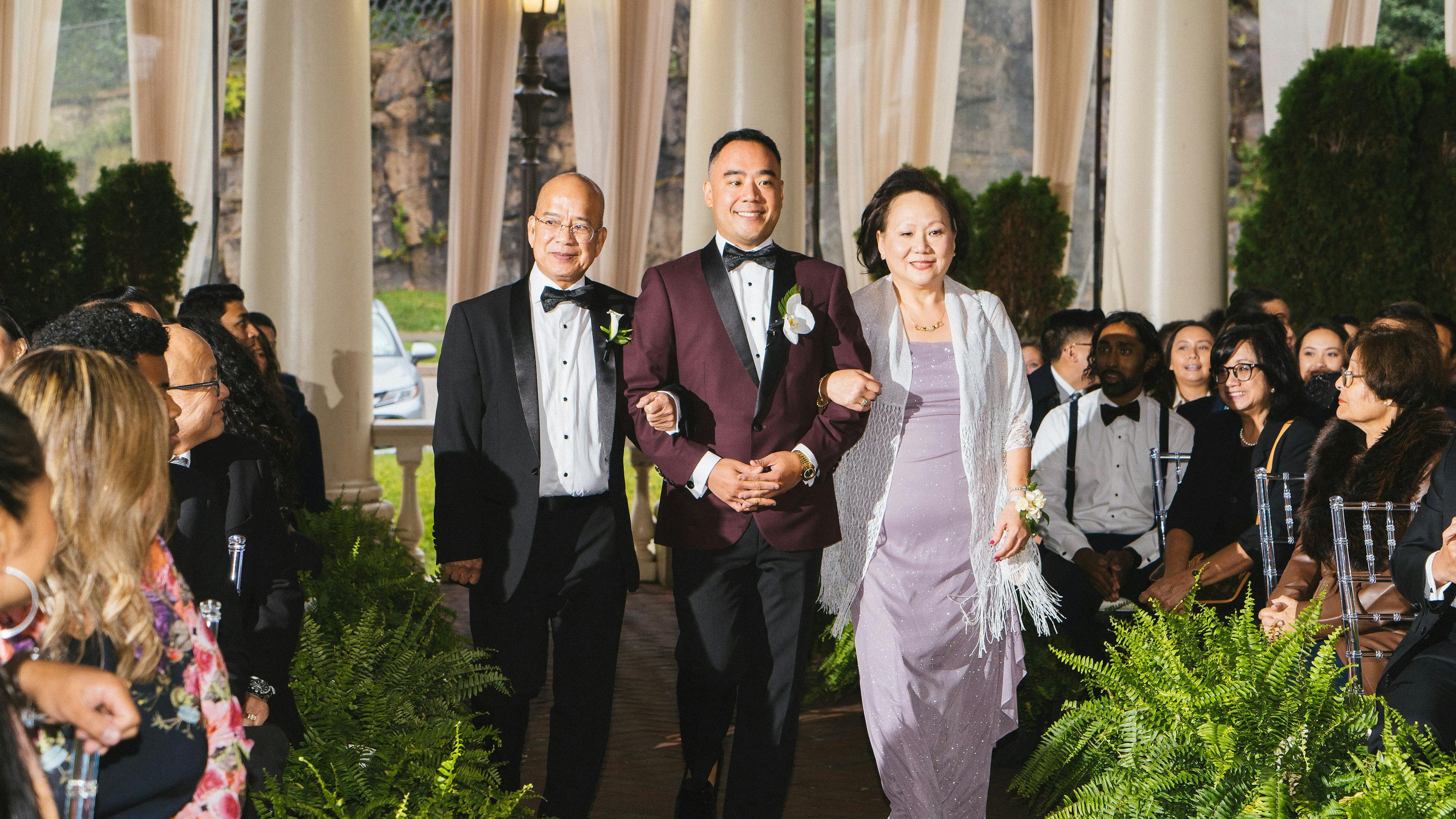
Rachel Rosenstein Photo
What you wear is one of the most meaningful parts of wedding planning. It’s a visual expression of your personality and influences the tone of the entire celebration.
Whether you’re selecting outfits for the couple, wedding party, or guests, it helps to determine attire early so everything aligns with your venue, season, and aesthetic.
Below is a practical breakdown for each step of the suit selection process.
Guide to Suits for the Wedding Couple
Suiting choices have expanded significantly over the last few years, allowing couples to tailor their look to their personal style, not just tradition.
Wedding suit colors
- Black or navy for timeless sophistication
- Dark green, brown, or burgundy for fall or winter richness
- Tan, cream, or light gray for spring and summer
- Clay or olive for earthy, editorial-driven weddings
- White or ivory tuxedos for fashion-forward elegance
Wedding suit styles and textures
- Single-breasted suit for a modern, clean silhouette
- Double-breasted suit for a bold, fashion-forward statement
- Shawl-lapel tuxedo for glamorous evening celebrations
- Vested suit for a polished, structured look with layers
- Tweed, velvet, or a pattern to add unexpected visual interest
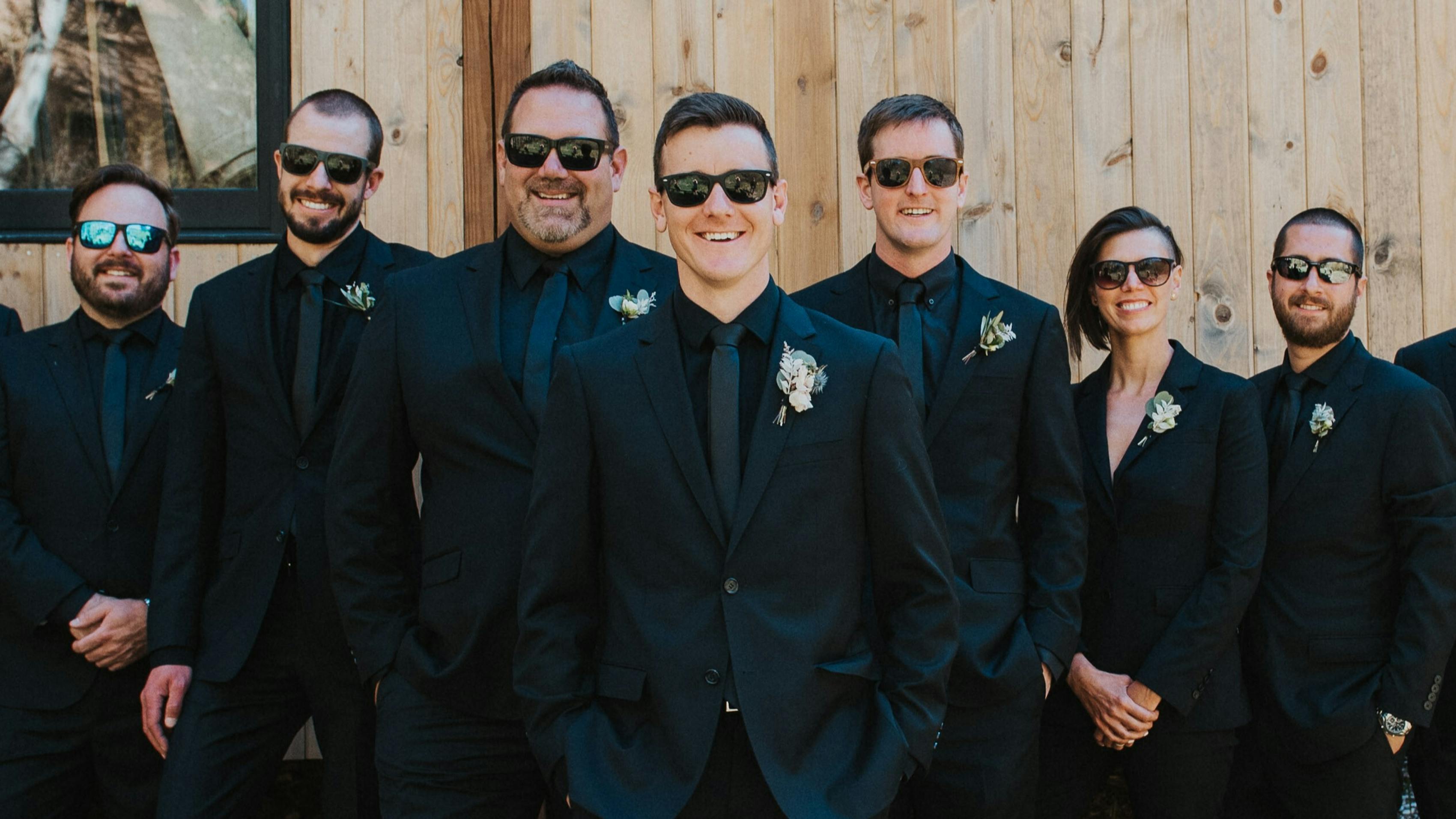
Wedding party outfit coordination
Once the couple’s looks are set, the rest of the party has a few options.
Examples include:
- Matching colors with little to no variation in style or accessories
- Same suit color with different accessories
- A bold suit color with others in a coordinating neutral or a different shade
- A double-breasted jacket with the party in a single-breasted one
Overall, you’re looking for something that feels cohesive, intentional, stylish, and photo-ready.
Whether you’re working with groomsmen, bridesmaids, mixed-gender groups, or all suits, choosing attire all together helps create your foundation.
Consider these factors:
- Seasonal colors: Think navy for winter, light gray for spring, tan for summer, charcoal or olive for fall.
- Venue setting: Outdoor venues lean lighter, indoor or evening leans richer and deeper.
- Coordination: You can mix fits, accessories, or textures while maintaining a cohesive palette.
Encourage your group to get fitted early to allow time for shipping, accessory shopping, and tailoring.
Guide to guest attire and how to communicate it
Help guests feel confident by communicating a clear dress code on your website or invitation.
Popular options include:
- Formal/Black-tie optional wedding
- Cocktail attire wedding
- Semi-formal wedding
- Beach formal wedding
- Garden party wedding
Offering color guidance like “earth tones encouraged” or “wear black” can also help curate the desired vibe.
Finalize Attire Elements
While not essential to complete early, it helps to begin thinking about the finishing touches.
Some accessories to consider:
- Jewelry or cufflinks
- Watches
- Hairpins or other headpieces
- Veils or capes
- Pocket squares
- Belts or suspenders
- Vests
- Lapel pins, floral lapels, or boutonnieres
- Shoes and socks
- Ties or bow ties
These elevate the look and help differentiate the couple, wedding party, family members, and other guests.
Start Working on Remaining Vendors

Meredith Diamond Photo
Once your date, venue, and major vendors are set, you can move on to the smaller but just as important pieces:
- Officiant
- Stationary
- Rentals, if applicable (tables, chairs, linens)
- Transportation
- Specialty decor vendors
- Photo booth
- Welcome party, rehearsal dinner, and after-party plans
This is when your timeline begins taking shape.
Most Importantly, Enjoy the Process
Wedding planning isn’t meant to be overwhelming, though it can feel that way. Working in phases and making decisions based on clear priorities helps keep things manageable.
Celebrate milestones along the way: locking in your venue, finding your attire, selecting your menu. Each step builds excitement and brings you closer to the big day. By grounding yourselves in your shared vision, solidifying key decisions early, and exploring attire that reflects your personality, you’ll create a thoughtful, cohesive celebration that feels true to who you are as a couple.
Whether you’re envisioning black-tie glamour, a relaxed destination weekend, or an intimate dinner party wedding, taking these foundational steps makes everything that follows feel clear and intentional.

Nathaniel Longmore
Nate, a former SuitShop groom, is a writer by passion and trade. When he's not typing away from a local coffee shop, you can find him hiking the trails or searching the racks of a thrift store.
More Articles


Customer Service
Contact Us
- Get In Touch
- Corporate Services
- +1 (773) 303-6006
- info@suitshop.com
Sign up for emails
© Copyright 2026 SuitShop