At a Glance
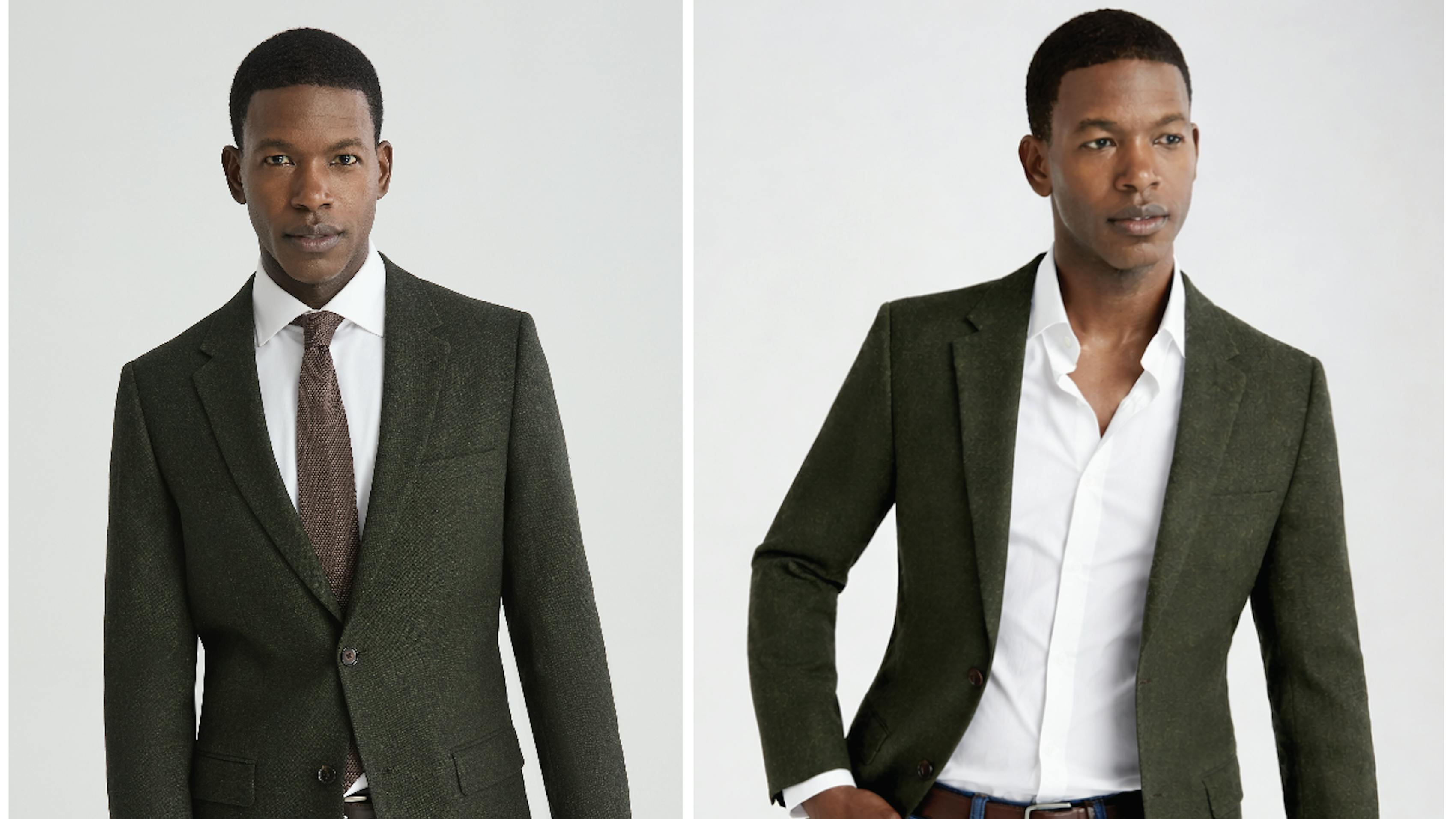
The main difference between a suit jacket and a blazer comes down to purpose and pairing. A suit jacket is designed to be worn with matching trousers as part of a full suit, while a blazer is a standalone piece meant to be mixed with different pants. However, depending on the style, there are some instances where suit jackets can double as blazers. Understanding these subtle differences helps you dress appropriately for any occasion and build a versatile wardrobe that works harder for you.
You're standing in front of your closet, trying to decide what to wear to an upcoming event. You have a navy jacket hanging there, but is it a suit jacket or a blazer? Does it even matter? The answer is: potentially. Knowing the distinction and overlap between the two pieces can save you from a fashion misstep.
The suit jacket vs blazer debate confuses even style-conscious individuals. Both pieces look similar at first glance, and the terms are often used interchangeably in casual conversation. But these two garments serve different purposes in your wardrobe and follow different rules when it comes to dress code expectations. This guide breaks down everything you need to know about the key differences and similarities between suit jackets and blazers, helping you choose the perfect jacket for any situation.
What Is a Suit Jacket?
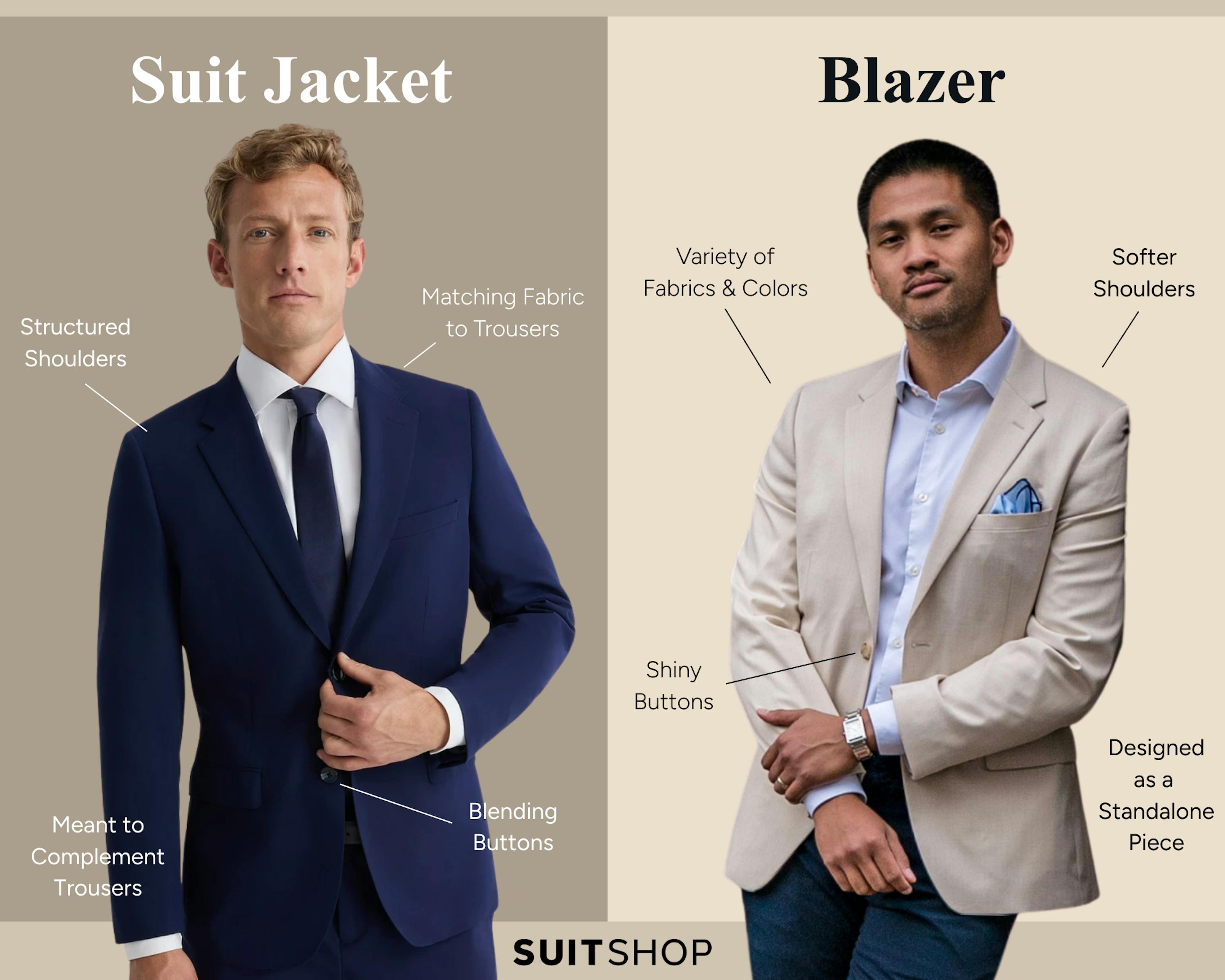
A suit jacket, sometimes called a suit coat, is one half of a matched set. It's designed and constructed to be worn exclusively with its matching pants, creating a cohesive, polished look appropriate for formal settings and professional environments.
Defining characteristics of a suit jacket include:
- Fabric that exactly matches the accompanying trousers
- Buttons covered in the same fabric or designed to blend seamlessly
- Structured shoulders and a tailored silhouette
- Flap pockets or jetted pockets for a streamlined appearance
- Typically made from worsted wool or other crisp suiting fabrics and performance blends
- Notch lapel or peak lapel options
The suit jacket exists as part of a system. When you purchase a full suit, the jacket and pants are cut from the same bolt of fabric, dyed in the same batch, and meant to be worn together. This matching creates a formal, unified appearance that signals professionalism and attention to detail.
A navy suit jacket, for example, is typically worn with its navy matching pants. Wearing the jacket with different trousers transforms your look into something else entirely, though this practice has become more accepted in modern menswear as the lines between categories continue to blur.
What Is a Blazer?
A blazer is an independent piece, designed from the start to be worn with non-matching pants. This odd jacket (so called because it stands alone rather than belonging to a set) offers more versatility and a slightly more relaxed feel than a suit jacket.
Defining characteristics of a blazer include:
- Metal buttons, often gold or silver, that serve as a design feature
- Slightly softer shoulders and less rigid construction
- Flap or patch pockets—or a combination of pocket styles
- Fabric that may include texture, patterns, or casual weaves
- Designed to pair with dress pants, chinos, or even jeans
- The classic navy blazer remains the most iconic example
The blazer's origins trace back to outdoor sports and maritime traditions. Legend has it that the captain of the HMS Blazer outfitted his crew in distinctive navy blue jackets with brass buttons to impress Queen Victoria during a royal visit. The style caught on and evolved into the versatile wardrobe staple we know today.
A blue blazer works with gray dress pants for a business meeting, khakis for a weekend lunch, or dark jeans for a casual evening out. This flexibility makes the blazer jacket an invaluable piece for anyone building a functional wardrobe.
Can a Suit Jacket Work as a Blazer?
Here's where things get interesting. While traditional style rules keep suit jackets and blazers in separate categories, modern fashion has opened the door for some crossover. Certain suit jackets can pull double duty as standalone pieces when the conditions are right.
The key factor is whether the jacket looks obviously "orphaned" or whether it reads as an intentional choice. Some suit jackets transition to blazer territory more successfully than others.
Suit jackets that work well as standalone pieces:
- Navy suit jackets (navy blue is versatile enough to pair with many pant colors)
- Jackets with subtle texture or visual interest in the fabric
- Jackets in colors that don't scream "matching pants required," like medium gray or tan
- Textured suit jackets like tweed coats
- Jackets with slightly less structured construction
Suit jackets that should stay with their matching trousers:
- Black suit jackets (too formal and obviously part of a set—with possible exceptions for womenswear)
- Jackets in shiny or highly refined fabrics
- Pinstriped or boldly patterned suit jackets
- Jackets in unusual colors that clearly belong to a specific suit
If you want to wear a suit jacket without its matching pants, choose trousers in a completely different color and texture. Gray dress pants, tan chinos, or dark jeans create enough contrast to signal an intentional combination rather than a mismatched accident. The worst outcome is pairing a navy suit jacket with navy pants that almost match but don't quite. This "close but not quite" look reads as a mistake.
You can also consider swapping the buttons. Replacing the standard suit buttons with metal blazer buttons transforms the jacket's character and makes it read more naturally as a standalone piece. A tailor can handle this simple modification inexpensively.
This crossover approach works best for casual occasions and business casual environments. For formal events, weddings, job interviews, or important business meetings, stick with the full suit. But for everyday versatility, knowing that your navy suit jacket can moonlight as a blazer effectively doubles its usefulness in your wardrobe.
Where Does the Sport Coat Fit In?
Before diving deeper into the suit jacket vs blazer comparison, it's worth addressing a third category that often enters this conversation: the sport coat, also known as a sport jacket.
Sports coats originated as garments for outdoor sports like hunting and horseback riding. They feature even more casual construction than blazers, often with details like elbow patches, ticket pockets, and textured fabrics like tweed or herringbone. Sports jackets embrace patterns and colors that would look out of place on a suit jacket or traditional blazer.
Think of formality as a spectrum. Suit jackets sit at the formal end, sport coats at the casual end, and blazers occupy the middle ground. All three serve different purposes and follow different style rules.


Key Differences Between Suit Jackets and Blazers
Now that you understand the basics, let's examine the specific elements that technically separate these two garments.
Buttons
This is often the quickest way to identify what you're looking at. Suit jackets feature buttons made from horn, plastic, or fabric-covered materials designed to blend with the jacket. Blazers showcase metal buttons, typically in gold, silver, or antiqued brass, that stand out as a deliberate design element. These metal buttons give blazers their distinctive, slightly nautical character.
Construction and Structure
Suit jackets are built with more internal structure, including canvas interfacing and padded shoulders that create a sharp, defined silhouette. This construction helps the jacket hold its shape and project formality.
Blazers tend toward softer shoulders and less rigid construction. While still tailored, they allow for more movement and a slightly relaxed drape. This softer approach makes blazers comfortable for longer wear and appropriate for less formal occasions.
Fabric
Suit jacket fabric matches its trousers exactly, usually in solid colors or subtle patterns like pinstripes. The fabric choices lean toward smooth, refined materials like worsted wool or crisp suiting blends that project professionalism.
Blazer fabric doesn't need to match anything, giving designers and wearers more freedom. While the classic navy blazer uses a solid navy fabric, blazers can come in a variety of textures and weights. The fabric still maintains a polished appearance but may include more visual interest than typical suiting material.
Pockets
Suit jackets typically feature flap pockets or jetted (besom) pockets that maintain a clean, uninterrupted line along the front of the jacket. Some suit jackets include a ticket pocket as a style detail.
Blazers often incorporate patch pockets, which are sewn onto the outside of the jacket rather than set into the fabric. Patch pockets create a more casual appearance and contribute to the blazer's relaxed aesthetic. Some blazers use flap pockets as well, but the patch pocket remains a classic blazer identifier.
Versatility
A suit jacket pairs with one thing: its matching pants. Wearing a suit jacket with unmatched trousers can create an awkward "orphaned jacket" look that suggests you couldn't find the rest of your suit.
A blazer pairs with almost anything. Dress pants, chinos, dark jeans, and even casual pants all work beneath a well-chosen blazer. This versatility makes blazers the more practical choice for everyday wear and the foundation of a versatile wardrobe.
When to Wear a Suit Jacket
Suit jackets shine when the occasion calls for traditional professionalism or formal attire.
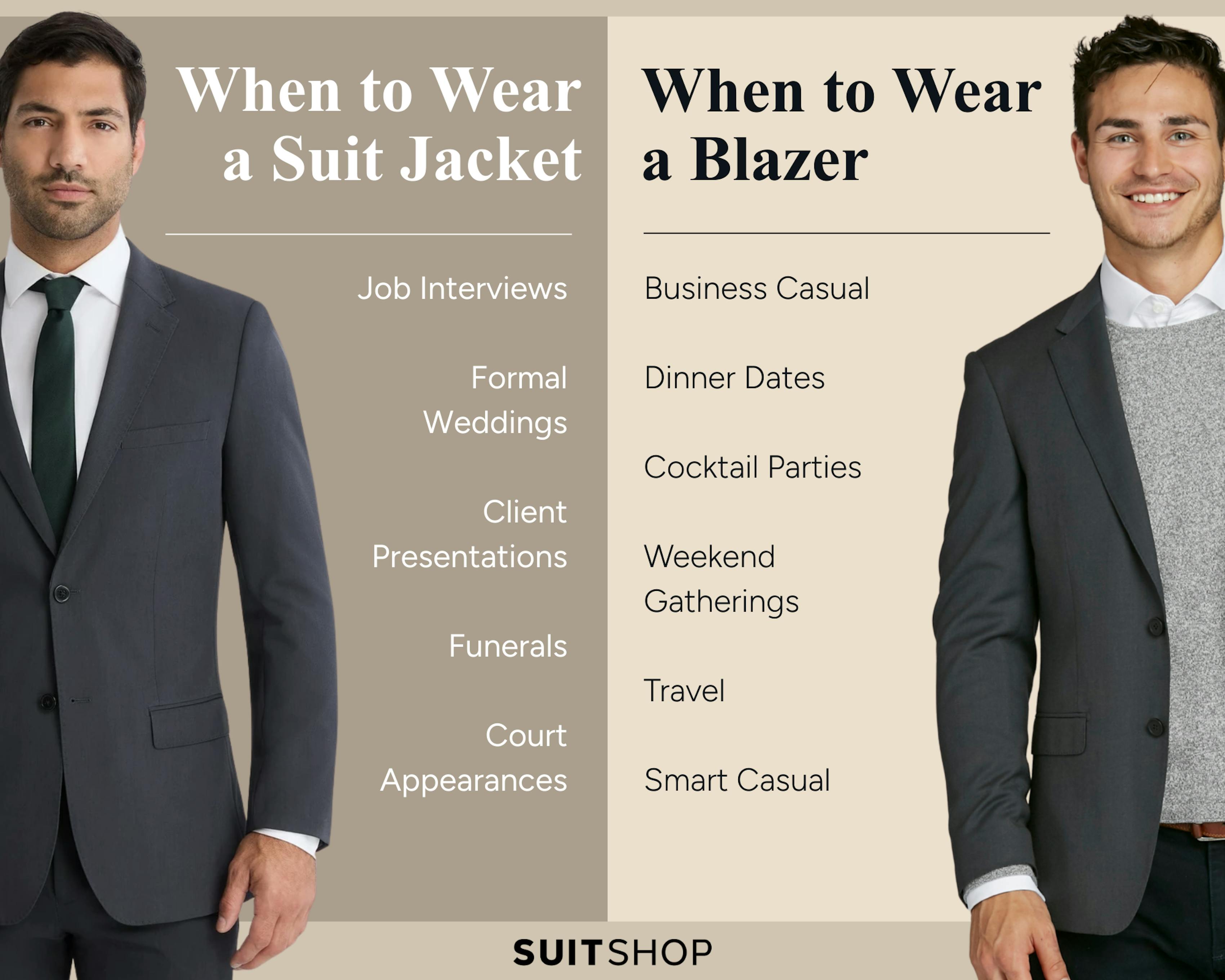
Appropriate occasions for a suit jacket (as part of a full suit):
- Job interviews and important business meetings
- Formal weddings and black-tie optional events
- Client presentations and professional conferences
- Funerals and memorial services
- Court appearances
- Any event with a formal dress code
The full suit communicates respect for the occasion and attention to detail. When you need to make a lasting impression in professional or formal settings, the complete suit remains the gold standard.
When to Wear a Blazer
Blazers work across a broader range of situations, making them ideal for occasions that fall somewhere between casual and formal.
Appropriate occasions for a blazer:
- Business casual workplaces
- Dinner dates and upscale restaurants
- Cocktail parties and social events
- Weekend gatherings and brunches
- Travel (blazers pack well and dress up any outfit)
- Smart casual dress codes
- Casual occasions where you want to look polished without overdressing
The classic navy blazer deserves special mention here. A well-fitted navy blazer works with virtually any color of pants and adapts to nearly any casual or semi-formal situation. Many style experts consider it the single most versatile piece a person can own.
Building a Functional Wardrobe
Understanding the suit jacket vs blazer distinction helps you make smarter purchasing decisions. If your lifestyle demands frequent formal events or professional settings, investing in quality suits makes sense. If your needs lean more casual, a navy blazer or two might serve you better.
The ideal wardrobe includes both. A charcoal or navy suit handles formal occasions, while a blazer or two provides flexibility for everything else. Different styles and colors expand your options further, allowing you to dress appropriately for any situation without scrambling at the last minute.
Consider your actual life when building your wardrobe. How often do you attend formal events? What does your workplace expect? Where do you spend your weekends? Let the answers guide your investments in jackets of all types.
It’s important to note that regardless of which type of jacket you choose, fit matters more than anything else. Key fit points to evaluate include how the shoulders align with your natural shoulder line, whether the jacket buttons without pulling, and how the sleeves hit your wrist. The jacket should allow movement without excess fabric bunching at the back.
Discover Your Perfect Jacket at SuitShop
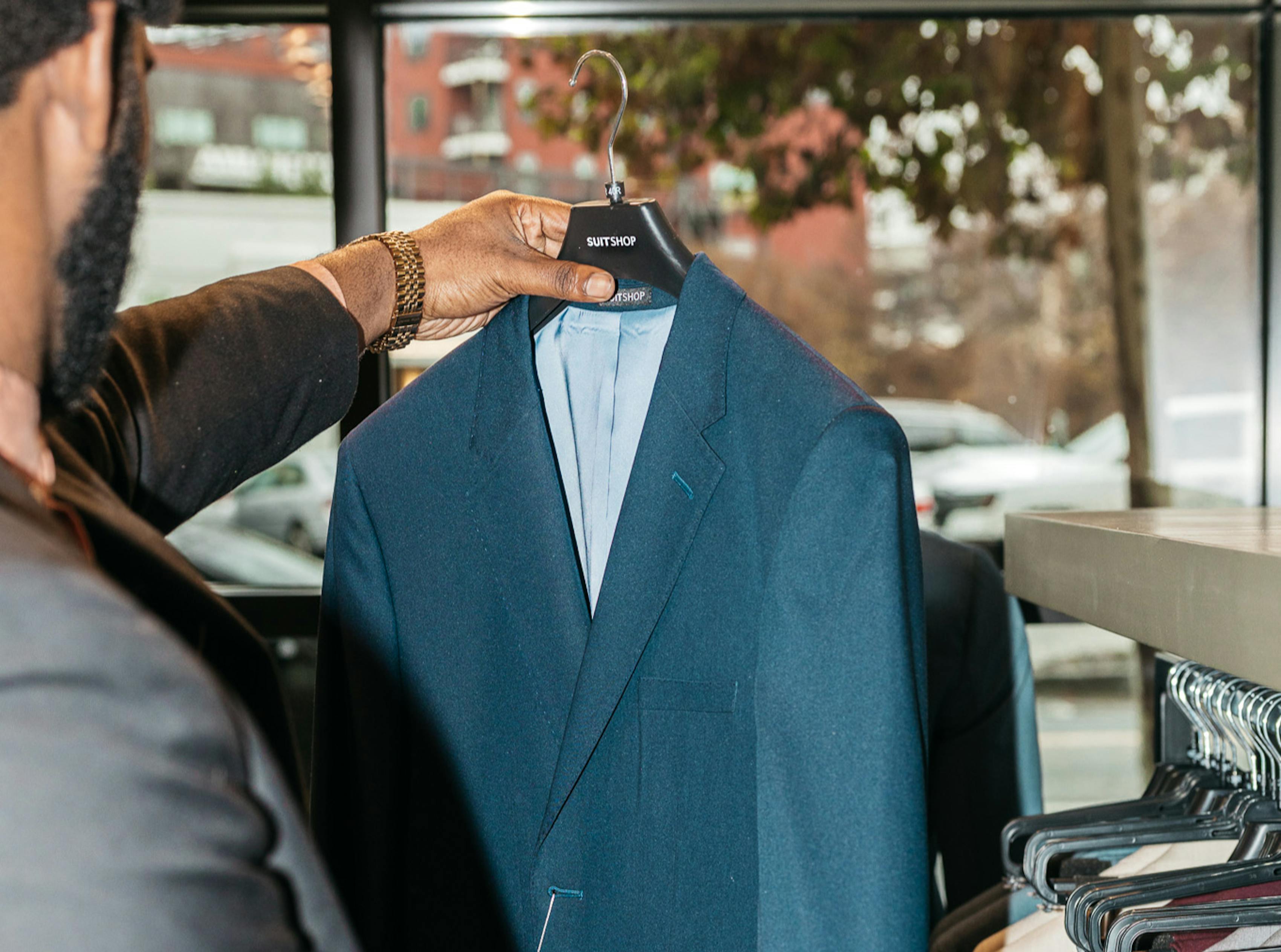
Now that you understand the differences between suit jackets and blazers, you're ready to build a wardrobe that works for your life. SuitShop offers suit jackets and blazers for men, women, and unisex styles, with options for any formal event or casual occasion.
With our online Fit Finder tool, free fabric swatches, and virtual or in-person styling appointments, finding the perfect fit has never been easier. Jackets and pants are sold both as sets and separately, allowing you to create custom combinations that work for your body. Whether you need a sharp suit for an upcoming wedding or a versatile blazer to anchor your everyday wardrobe, SuitShop provides quality pieces you'll own and wear for years to come. Browse our collection today and find the jacket that fits your style, your body, and your budget.

Sean Parks
Sean Parks is an SEO Analyst, specializing in copywriting and search engine optimization. A proud University of Georgia graduate with dual degrees in Public Relations and Communication Studies, Sean combines strategic thinking with a passion for crafting content that ranks and resonates. When he's not optimizing websites or writing copy, you'll find him logging miles on the Atlanta beltline.
More Articles

Customer Service
Contact Us
- Get In Touch
- Corporate Services
- +1 (773) 303-6006
- info@suitshop.com
Sign up for emails
© Copyright 2026 SuitShop