Difference Between Tuxedo and Suit: The Full Comparison of Formal Menswear
Published on February 2, 2026 | Updated February 6, 2026
By Sean Parks
Tuxedos vs. Suits: The Short Answer
You've received an invitation to a formal event, and the dress code has you second-guessing your wardrobe. Should you reach for your business suit, or is this the moment to invest in a tuxedo? It's a question that trips up even the most style-conscious individuals.
At a Glance:
- A suit is versatile enough for business meetings, weddings, and everyday professional wear.
- A tuxedo is specifically designed for formal occasions like black tie events and formal weddings.
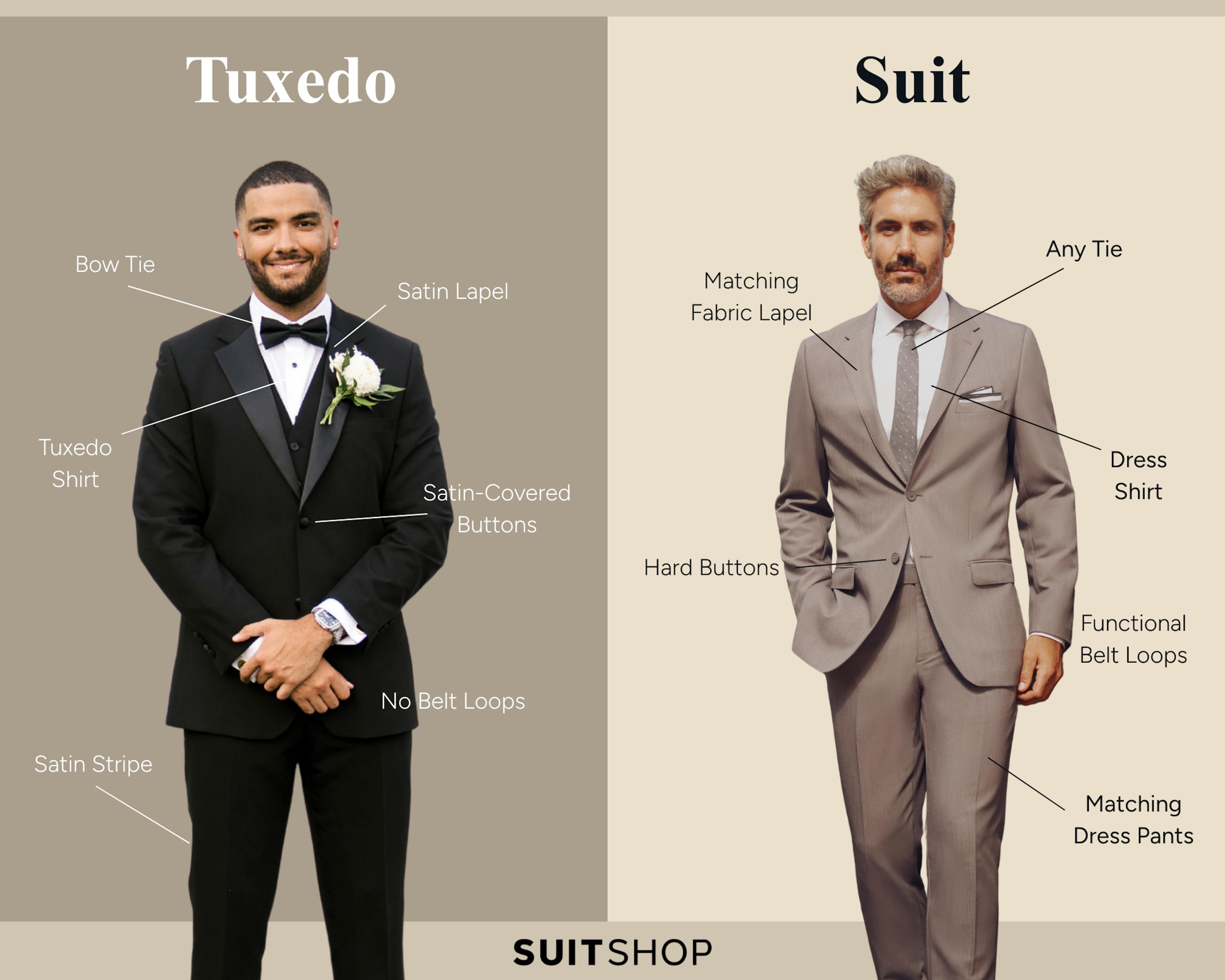
- The main difference between tuxedo and suit styles comes down to the details: tuxedos feature satin details on the lapels, buttons, and sometimes a satin stripe down the tuxedo pants, while suits use matching fabric throughout.
- Understanding these distinct differences helps you dress appropriately for any event and make a lasting impression.
Both suits and tuxedos have their place in a well-rounded wardrobe. But knowing when to wear each one can mean the difference between looking perfectly polished and feeling slightly out of place. This guide breaks down everything you need to know about the tuxedo vs suit debate, from the key visual differences to the occasions that call for each style.
The Anatomy of a Tuxedo
A tuxedo, sometimes called a dinner jacket or simply a tux, is specifically designed for formal attire situations. While it shares the basic two-piece structure of a suit, the details set it apart as the choice for black tie and formal wear occasions.
Defining features of a tuxedo include:
- Satin lapel in a notch lapel, shawl lapel, or peak lapel style
- Fabric-covered, often specifically satin-covered, buttons on the tuxedo jacket
- A satin stripe running across the waistband, and sometimes down the outer seam of tuxedo trousers
- No belt loops (tuxedo pants are designed for suspenders or a side adjuster)
- Typically slit pockets, with covered or minimalist pocket trim for a sleek silhouette
- More specific accessory options, like a French cuff or tuxedo shirt and bow tie
The classic tuxedo comes in black, though navy has become an equally traditional and popular option. The tuxedo shirt typically features decorative studs in the place of buttons, French cuffs to wear with cufflinks, and sometimes a pleated or bib front with a covered placket, designed specifically to complement the formality of the jacket.
Accessories follow a more prescribed formula with tuxedos. A black bow tie is the traditional choice, paired with a formal white shirt, cufflinks, and patent leather shoes. Some events allow for personal style expression through colored bow ties, unique pocket square choices, or other formal footwear like loafers, but the overall aesthetic remains distinctly formal.
Key Differences Between Tuxedo and Suit
Now that you understand the basics, let's examine the specific elements that distinguish these two men’s formal wear options.
Lapels
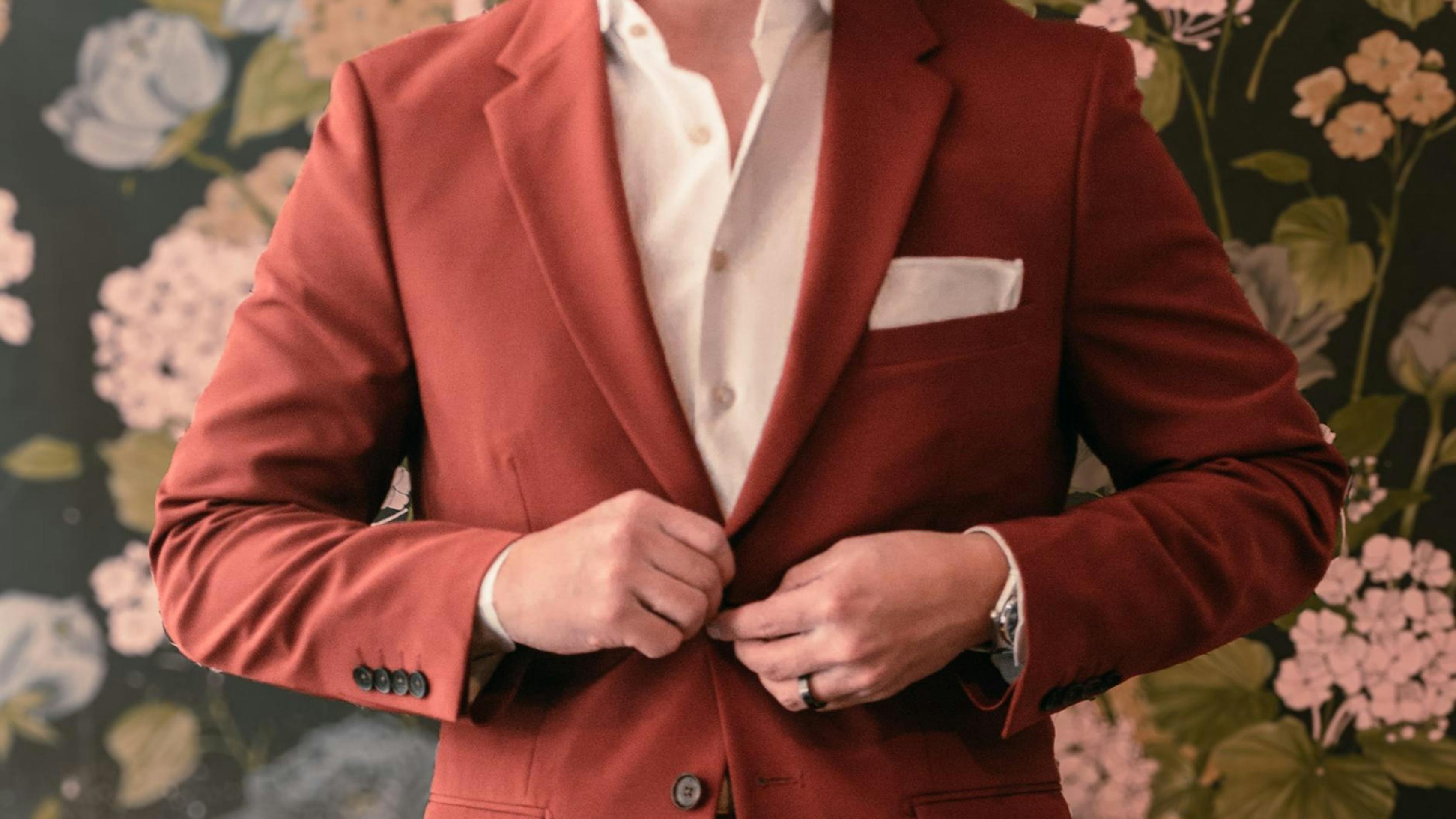
The lapel is often the quickest way to spot the difference between tuxedo and suit styles. A suit jacket features lapels made from the same fabric as the rest of the jacket. A tuxedo jacket, on the other hand, showcases a satin lapel that creates visual contrast against the wool or other base fabric. This satin detail catches the light and signals immediately that you're dressed for a formal occasion.
Buttons
Suit buttons come in various materials, from horn to plastic to metal, and often match or complement the suit color. Tuxedo buttons are covered in satin or silk, maintaining the sleek, uninterrupted aesthetic of the jacket. This subtle detail contributes to the overall refined appearance of formal wear.
Trousers
Suit trousers feature belt loops and can be worn with a belt, suspenders, or neither. Tuxedo pants skip the belt loops entirely, replaced instead with a smooth satin stripe waistband, and they sometimes include a satin stripe down the outer leg seam. These stripes match the satin details on the jacket, creating a cohesive formal look from head to toe.
Shirts and Accessories
A suit offers maximum flexibility when it comes to shirts. You can wear anything from a classic white dress shirt to patterned or colored options depending on the occasion. For casual occasions, suits can even be paired with a sweater or t-shirt. Ties are optional and, when worn, can be any style from a long tie to a bow tie.
A tuxedo calls for a specific type of dress shirt, the tuxedo shirt, which features a more formal construction with shirt studs and French cuffs. Some equally formal shirt options to pair with a tuxedo include a clean-front French cuff dress shirt or a pleated-front or bib-front tuxedo shirt. A black bow tie is traditional, though some modern interpretations allow for variety. For example, a formal dress code and black-tie optional attire allow for more flexibility with accessories compared to a black-tie dress code. Patent leather shoes complete the look, reflecting the formality of the entire ensemble.
When to Wear a Suit
Suits shine in situations that call for polish without the full formality of black tie dress code requirements.
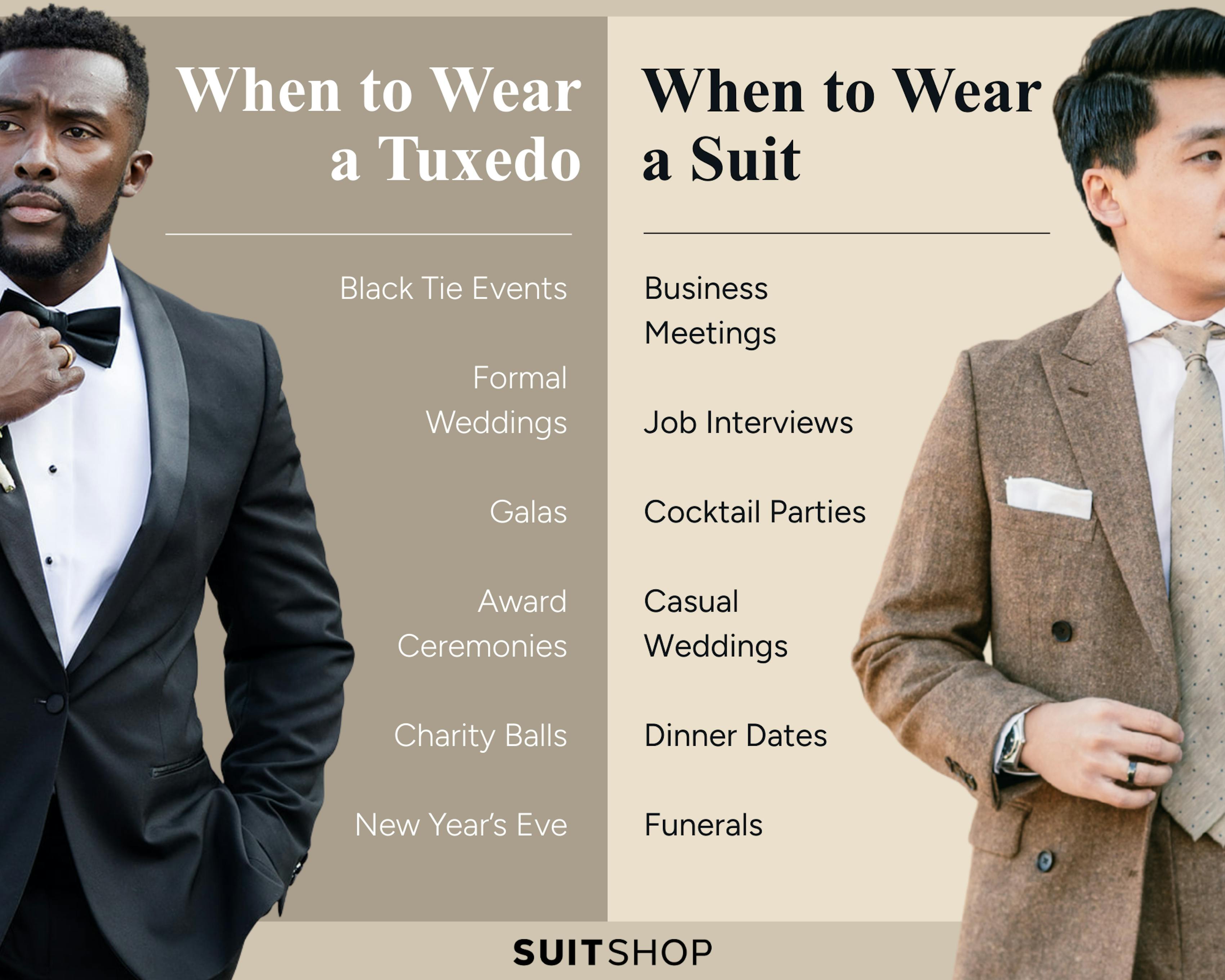
A suit is the right choice for:
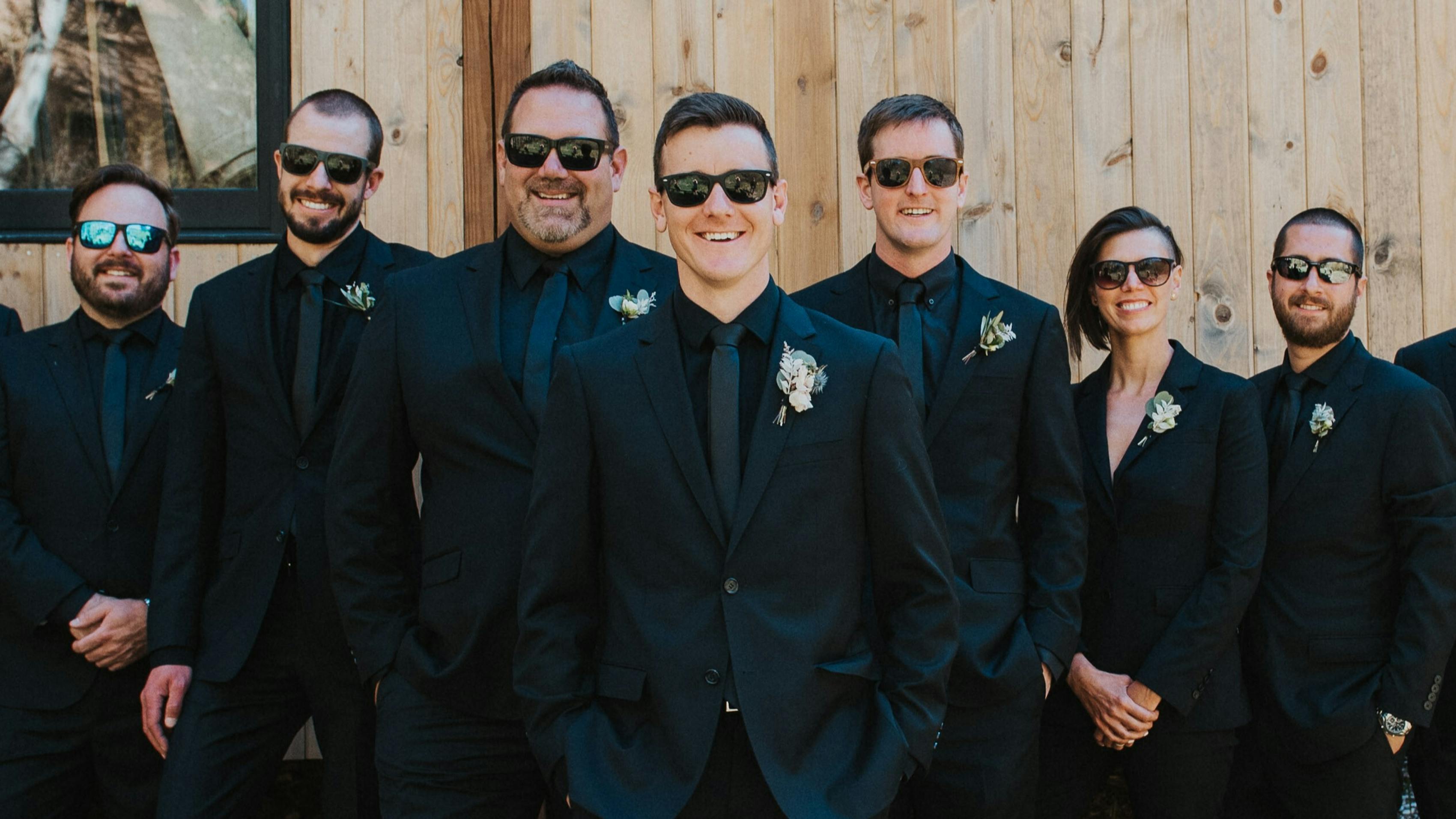
- Wedding attire, including groom outfits and groomsmen attire
- Business meetings and professional settings
- Job interviews
- Cocktail parties and semi-formal events
- Semi-formal, cocktail, casual, or rustic weddings or events
- Religious services
- Dinner dates and upscale restaurants
- Any event without a specific black-tie or formal dress code
The suit's versatility makes it a wardrobe workhorse. A single well-fitted suit can take you through dozens of different occasions, each time looking appropriate and put-together. For many people, a quality suit gets more wear than any other item in their closet.
Wedding guests often find suits to be the perfect choice. Unless the invitation specifically states black-tie, a suit in a complementary color allows you to look sharp while letting the wedding party take center stage.
Formal dress codes and events requesting black-tie optional attire are occasions where either a suit or tuxedo is acceptable when chosen and styled properly. In these cases, a suit in a dark color, paired with dark, formal accessories, is a fitting choice. A simple tuxedo outfit is also a great, standard option.
When to Wear a Tuxedo
A tuxedo is reserved for events that specifically call for black-tie or formal attire, or for when you want to elevate your look to the highest level.
A tuxedo is appropriate for:
- Black-tie events and galas
- Formal weddings (especially evening ceremonies)
- Your own wedding day
- Award ceremonies
- Opera, ballet, and formal theater premieres
- Charity balls and fundraising dinners
- New Year's Eve celebrations
When an invitation specifies black-tie, a tuxedo is expected. Showing up in a suit, even a black suit, technically falls short of the dress code. The satin details and overall construction of a tuxedo signal that you've dressed to meet the formality of the occasion.
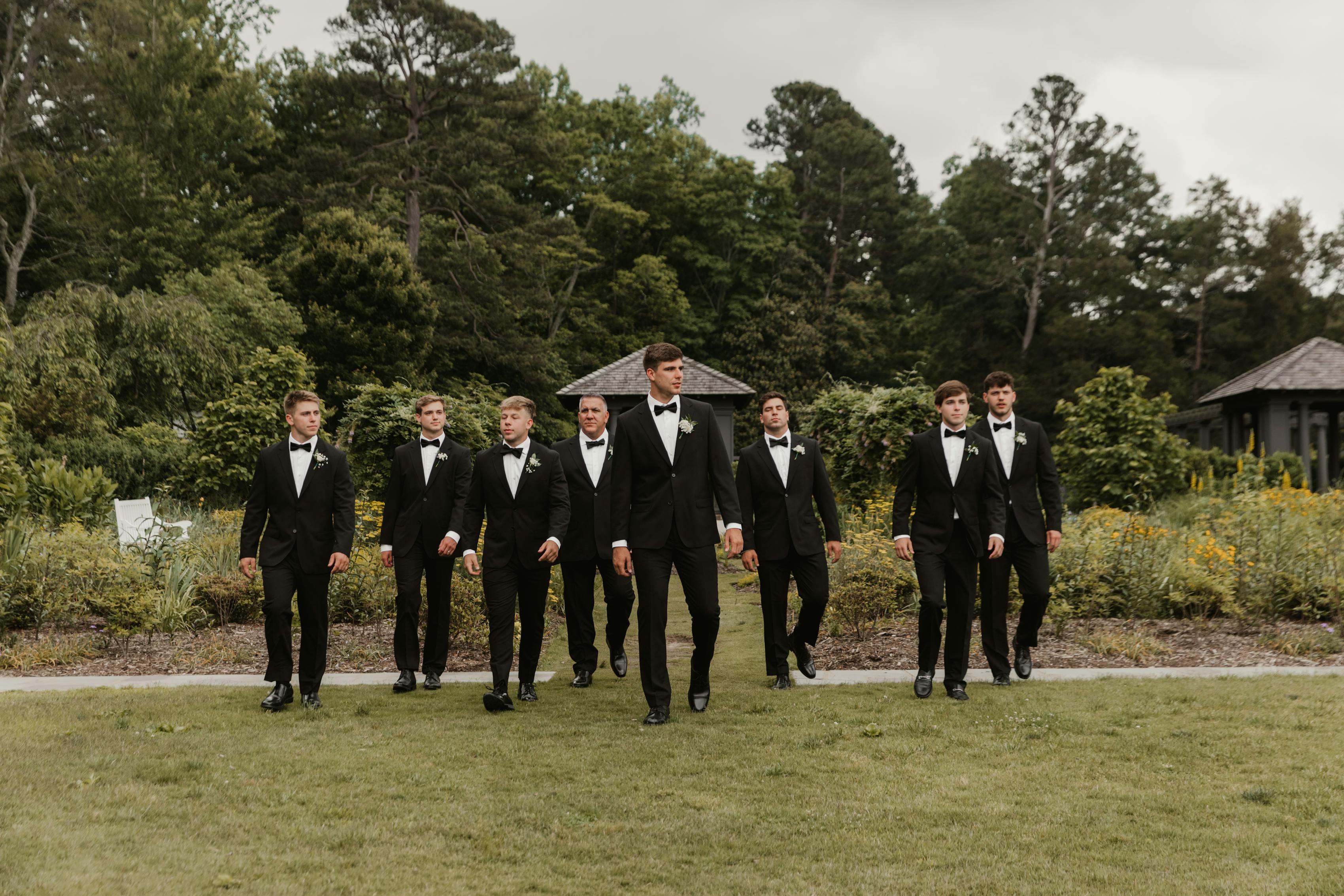
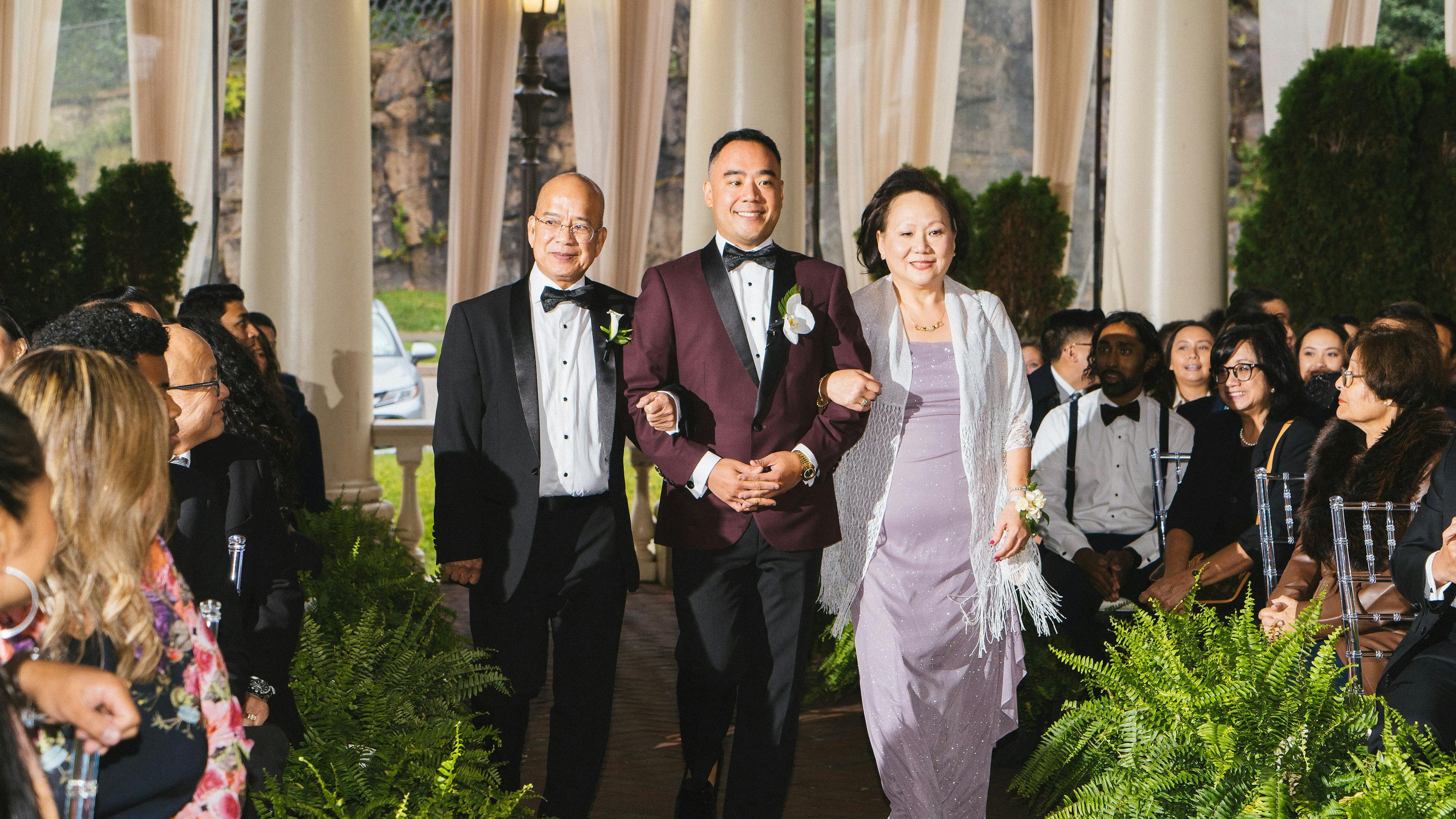
For grooms, the tuxedo has long been the choice for formal wedding celebrations. It can set you apart from your guests and photographs beautifully in those wedding day portraits you'll treasure for years.
Can You Blur the Lines?
Modern fashion has loosened some of the traditional rules around formal wear. Some style-forward individuals wear suits to black tie optional events or choose tuxedo elements (like a satin lapel jacket) for semi-formal occasions.
The key is understanding the rules before you bend them. A formal event hosted by your company's CEO probably isn't the time to test boundaries. But a friend's trendy cocktail party might be the perfect occasion to experiment with personal style.
When in doubt, consider the setting, the host's expectations, and how you'll feel if you're slightly over or underdressed. Most people find it's better to err on the side of formality.
Making the Right Investment
Both suits and tuxedos deserve a place in your wardrobe, but if you're building from scratch, a versatile suit typically offers more bang for your buck. You'll wear it more often, it offers more opportunity to dress both up and down, and a quality suit can last for years with proper care.
As your wardrobe grows, adding a tuxedo means you'll be prepared for any formal occasion without scrambling for a rental or making do with a suit that doesn't quite hit the mark.
The fit matters more than the price tag. Purchasing a suit or tuxedo, especially from a brand with a wide range of sizes and fit types, is always your safest bet at looking your best for any event.


Find Your Perfect Fit at SuitShop
Now that you understand the difference between tuxedo and suit options, you're ready to build a wardrobe that works for every occasion. SuitShop offers both tuxedos and suits for men, women, and anyone in-between in a range of sizes, fits, and styles. Unlike rentals that you return after a single event, these are pieces you'll own, wear again, and always have ready when the next invitation arrives.
With tools like their online Fit Finder, free fabric swatches, and virtual styling appointments, finding your ideal look has never been easier. Whether you're shopping for your wedding day, preparing for a formal event, or simply upgrading your professional wardrobe, SuitShop helps you look your best without the traditional hassle of formal wear shopping. Browse their collection today and discover suits and tuxedos designed to fit your body, your budget, and your life.

Sean Parks
Sean Parks is an SEO Analyst, specializing in copywriting and search engine optimization. A proud University of Georgia graduate with dual degrees in Public Relations and Communication Studies, Sean combines strategic thinking with a passion for crafting content that ranks and resonates. When he's not optimizing websites or writing copy, you'll find him logging miles on the Atlanta beltline.
More Articles

Customer Service
Contact Us
- Get In Touch
- Corporate Services
- +1 (773) 303-6006
- info@suitshop.com
Sign up for emails
© Copyright 2026 SuitShop