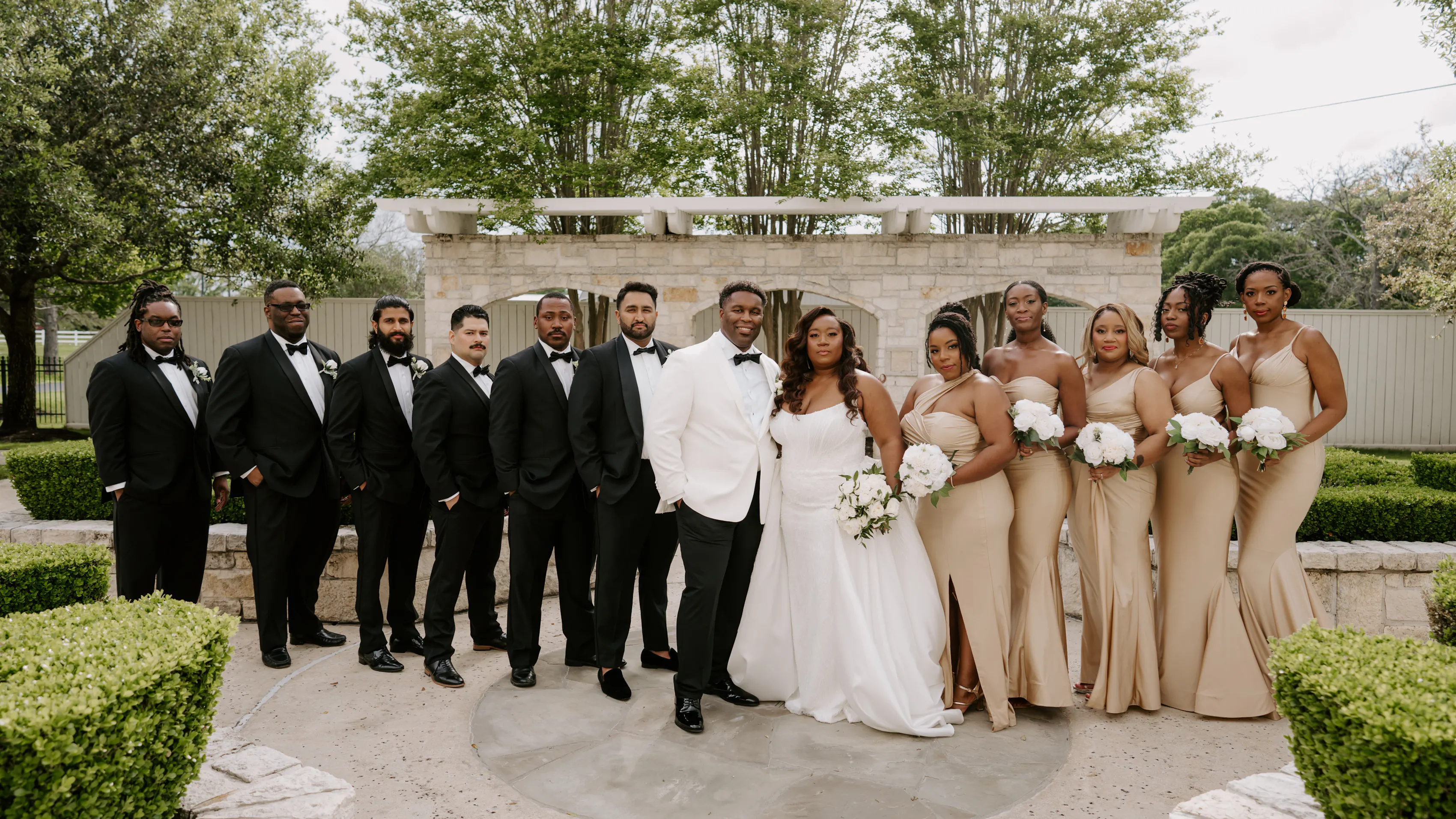
Your Complete Guide to Every Wedding Role
Every wedding is a team effort, and knowing who stands where and why can make the entire planning process smoother for everyone involved.
At a Glance:
- The maid of honor and best man serve as the couple's right-hand support throughout the wedding planning process and on the big day itself.
- Bridesmaids and groomsmen help with everything from the bridal shower and bachelor party to walking down the aisle.
- The flower girl and ring bearer bring youthful charm to the wedding ceremony.
- Junior bridesmaids and junior groomsmen fill the gap for family members too old to be flower girls or ring bearers but too young to be full attendants.
- The wedding officiant leads the ceremony, while the bride's parents and groom's parents play important roles in both the ceremony and reception.
A wedding party is more than just a group of people in matching outfits. It is a carefully chosen team of close friends and family members who help bring a couple's vision to life, from the first engagement party to the last dance at the wedding reception.
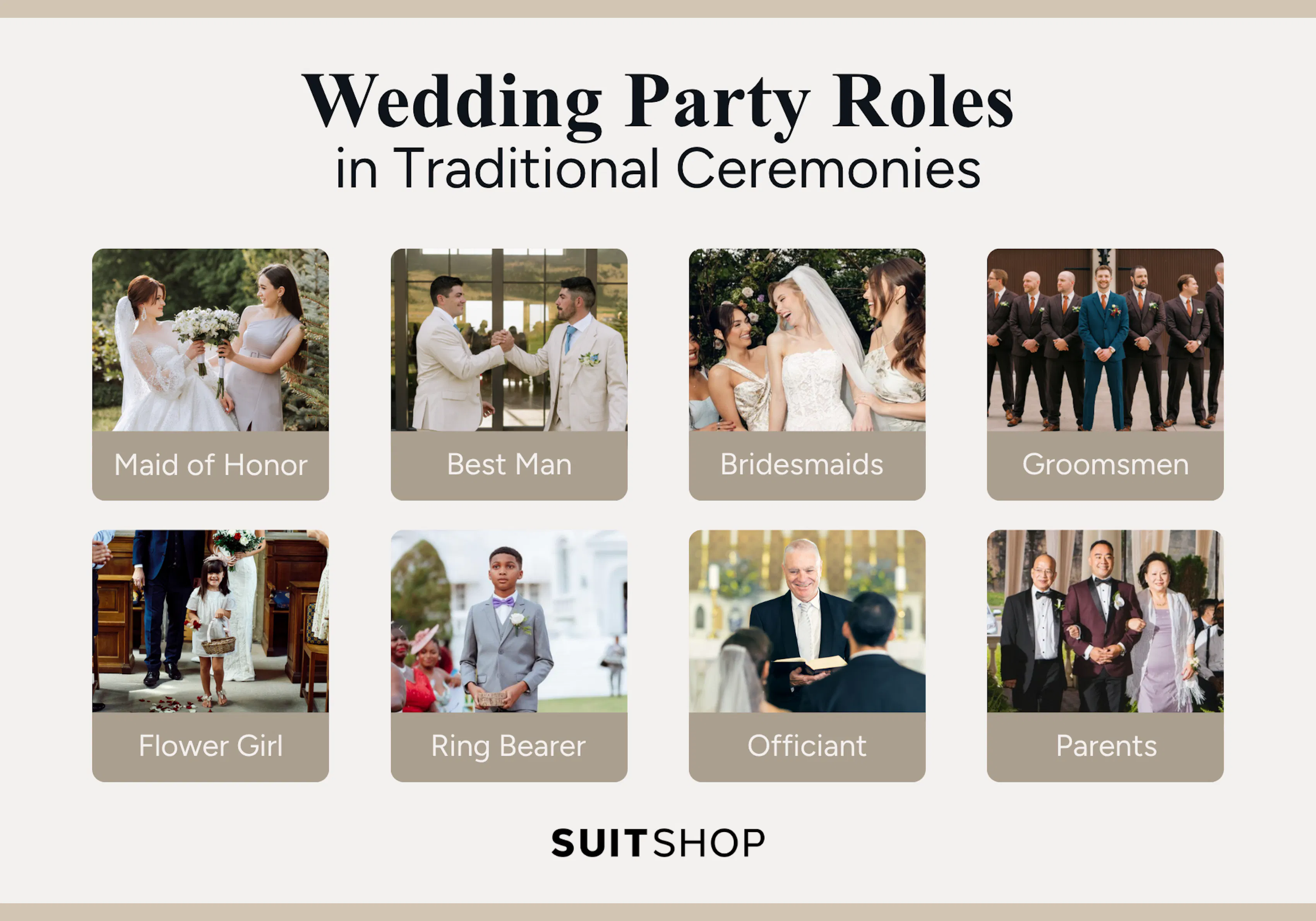
Maid of Honor / Matron of Honor
Who: The bride's closest friend, sister, or a trusted family member. If the chosen person is married, she takes the title of matron of honor instead of maid of honor.
What: This wedding party role carries a long list of responsibilities. The maid of honor helps plan the bridal shower and bachelorette party, assists with dress fittings, provides emotional support during the wedding planning process, and holds the bride's bouquet during the ceremony. She may also give a toast at the wedding reception and help coordinate the bridal party throughout the day.
Where: Right beside the bride at the altar, typically standing closest to her during the ceremony. She is also front and center at pre-wedding events.
When: Her duties begin soon after the engagement and continue through the wedding day. From helping narrow down the guest list to bustling the wedding dress before the reception, the maid of honor is involved at nearly every stage.
Why: Every bride needs a dependable person to lean on. The maid of honor serves as the bride's best friend, personal organizer, and emotional anchor all rolled into one.
Best Man
Who: The groom's best friend, brother, or someone he trusts completely.
What: The best man plans the bachelor party, holds the wedding rings during the ceremony, signs the marriage license as a witness, and delivers a memorable toast at the reception. He also helps the groom get ready and keeps the groomsmen organized.
Where: Standing beside the groom at the altar and leading the charge at the rehearsal dinner and bachelor party.
When: Like the maid of honor, the best man's responsibilities start early in the planning process and extend through the entire wedding day.
Why: The groom needs a reliable right hand man to keep things running smoothly. The best man fills that important role with a mix of practical help and moral support.
What to Wear: The best man usually matches the groomsmen, but many couples choose to set him apart with a small styling detail. This could be a different tie color, a vest layered under his jacket, or a unique pocket square. If the groom is wearing a tuxedo, the best man might wear the same style or a suit in the same color that keeps him coordinated without stealing the spotlight. Either way, a polished fit goes a long way when you are standing right next to the groom in every photo.


Bridesmaids
Who: A group of the bride's close friends, sisters, cousins, or other loved ones.
What: Bridesmaids help with wedding planning tasks, attend the bridal shower and bachelorette party, and support the bride throughout the process. On the wedding day, they walk down the aisle before the bride and stand with her during the ceremony. Their responsibilities might also include:
- Helping with DIY projects or creative ideas for decor
- Assisting guests at the wedding venue
- Joining the bride for dress fittings and accessory shopping
- Dancing and keeping the energy high at the reception
Where: Lined up beside the maid of honor at the altar and present at all major pre-wedding events.
When: From the engagement party through the last moment of the special day.
Why: Bridesmaids provide a support system that helps the bride manage stress and enjoy the wedding planning process. They also add to the beauty and energy of the ceremony.
Groomsmen
Who: The groom's close friends, brothers, or other trusted companions.
What: Groomsmen assist with bachelor party planning, help set up the wedding venue, seat guests before the ceremony, and stand beside the groom at the altar. They may also help with:
- Coordinating transportation on the wedding day
- Running last-minute errands
- Keeping the energy alive on the dance floor
- Serving as ushers during the ceremony
Where: Standing opposite the bridesmaids at the altar and present at the rehearsal dinner and bachelor party.
When: Their involvement picks up closer to the wedding day, though they may help with planning tasks in the months leading up to it.
Why: The groom's crew keeps things lighthearted and organized. A reliable group of groomsmen makes the big day feel less overwhelming and a lot more fun.
What to Wear: Groomsmen typically dress in matching suits or tuxedos chosen by the couple. A classic navy or charcoal gray suit works well for most wedding venues, while a black tuxedo is the go-to for black-tie affairs. Finishing touches like a coordinating tie or bow tie, pocket square, and dress shoes pull the whole look together. The best part? When your groomsmen buy their suits instead of renting, they walk away from the wedding day with something they can actually wear again.


Flower Girl
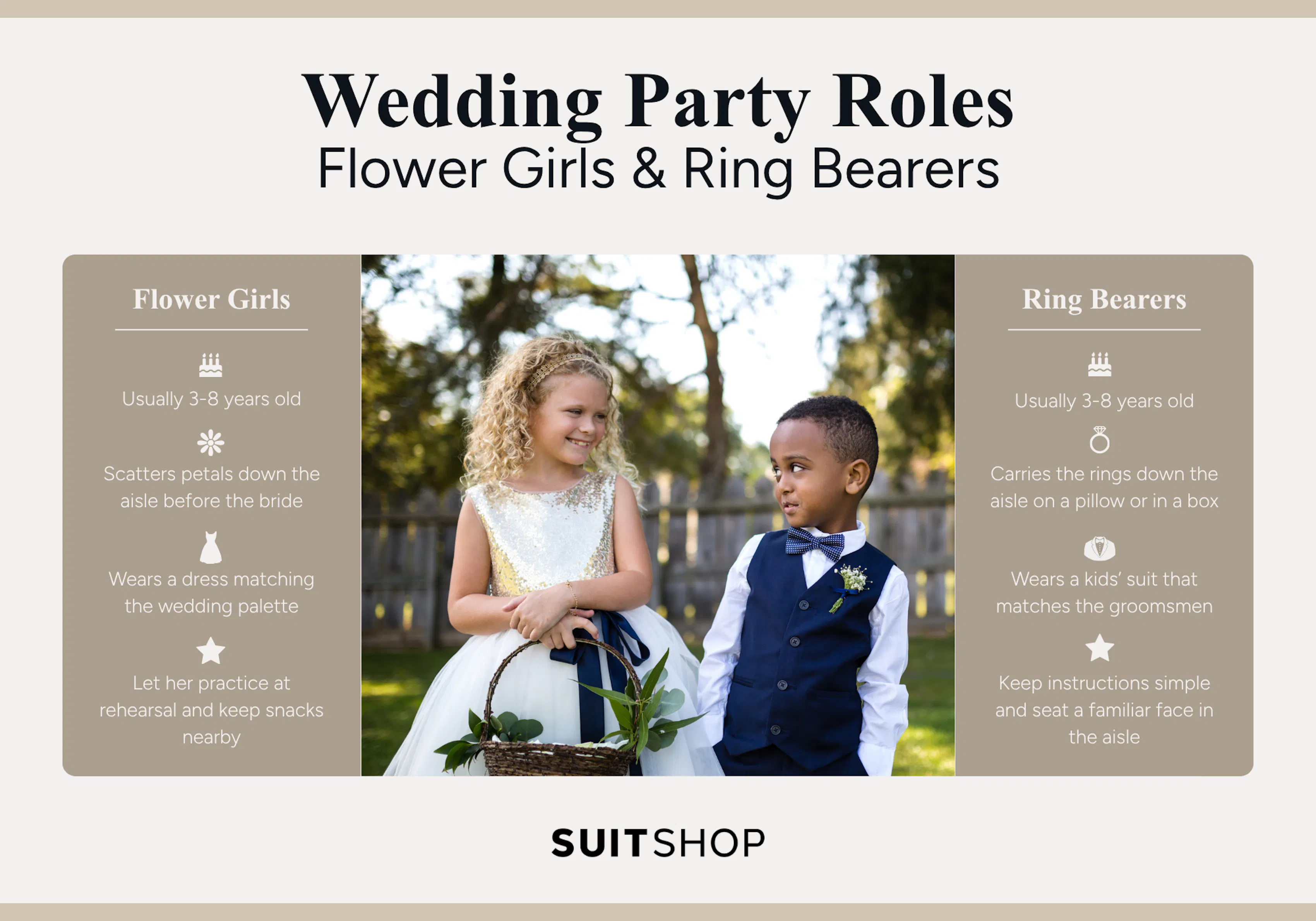
Who: Typically a younger sibling, niece, cousin, or the child of a close friend. Flower girls are usually between the ages of 3 and 8.
What: The flower girl walks down the aisle before the bride, scattering petals along the path. It is a traditional role that adds a sweet, lighthearted moment to the wedding ceremony.
Where: Walking ahead of the bride down the aisle, often accompanied by the ring bearer.
When: Her main moment is during the ceremony processional, though she may also participate in the rehearsal dinner and take part in photos.
Why: The flower girl brings an element of innocence and joy that sets the tone for the bride's entrance. It is also a wonderful way to include younger family members in the celebration.
Ring Bearer
Who: A young boy, often a nephew, younger sibling, or the son of a close friend, typically between the ages of 3 and 8.
What: The ring bearer carries the wedding rings (or symbolic stand-ins) down the aisle on a small pillow or in a decorative box. This traditional role is simple but meaningful.
Where: Walking down the aisle just before or alongside the flower girl.
When: His big moment is during the ceremony processional and rehearsal.
Why: The ring bearer adds a charming touch to the ceremony and gives a young family member a special part to play on the wedding day. Outfitting the ring bearer in a kids' suit that matches the groomsmen is a great way to tie the whole look together.
Junior Bridesmaid and Junior Groomsman
Who: These roles are perfect for a younger sibling, cousin, or family member who is too old to be a flower girl or ring bearer but not quite old enough to take on the full responsibilities of a bridesmaid or groomsman. They are typically between 9 and 15 years old.
What: A junior bridesmaid walks in the processional and stands with the bridal party. A junior groomsman does the same on the groom's side. Their responsibilities are lighter than those of adult attendants, but they are still part of the wedding party.
Where: In the processional and standing at the altar with the rest of the party.
When: Primarily on the wedding day, though they may attend the rehearsal dinner as well.
Why: These roles are a thoughtful way to honor a young person who is important to the couple without placing too much responsibility on their shoulders.
Wedding Officiant
Who: The person who legally marries the couple. This could be a religious leader, a judge, a wedding planner who has been ordained, or even a close friend or family member with an officiant certification.
What: The wedding officiant leads the ceremony, guides the couple through their vows, and pronounces them married. They may also help the couple personalize the ceremony with readings, rituals, or unique touches.
Where: Standing at the front of the wedding venue, facing the couple and their guests.
When: The officiant is most active during the wedding ceremony itself, though they often participate in the rehearsal as well and may help with the marriage license beforehand.
Why: Without an officiant, there is no official wedding. This wedding role is both a legal requirement and a meaningful part of the day.
Parents of the Bride, Groom, or Nearlyweds
Who: The parents of both members of the couple—bride's parents, groom's parents, or newlywed’s parents, including stepparents or other parental figures.
What: Parents often contribute to the wedding in many ways. The bride's mother may help with wedding planning, dress shopping, and hosting the rehearsal dinner. The groom's parents might help coordinate logistics or contribute financially. On the wedding day, parents may walk their child down the aisle, give readings, or share a toast. Their responsibilities can include:
- Helping finalize the guest list
- Hosting or co-hosting the rehearsal dinner
- Greeting guests at the wedding reception
- Participating in special dances (like father-daughter, mother-son dances)
Where: Seated in the front rows during the ceremony and often at a head table or family table at the reception.
When: Parents are involved from the moment wedding plans begin and remain active participants throughout every stage of the process.
Why: For many couples, their parents are the reason they understand love in the first place. Including them in the wedding party honors that bond and gives them a meaningful part in the celebration.
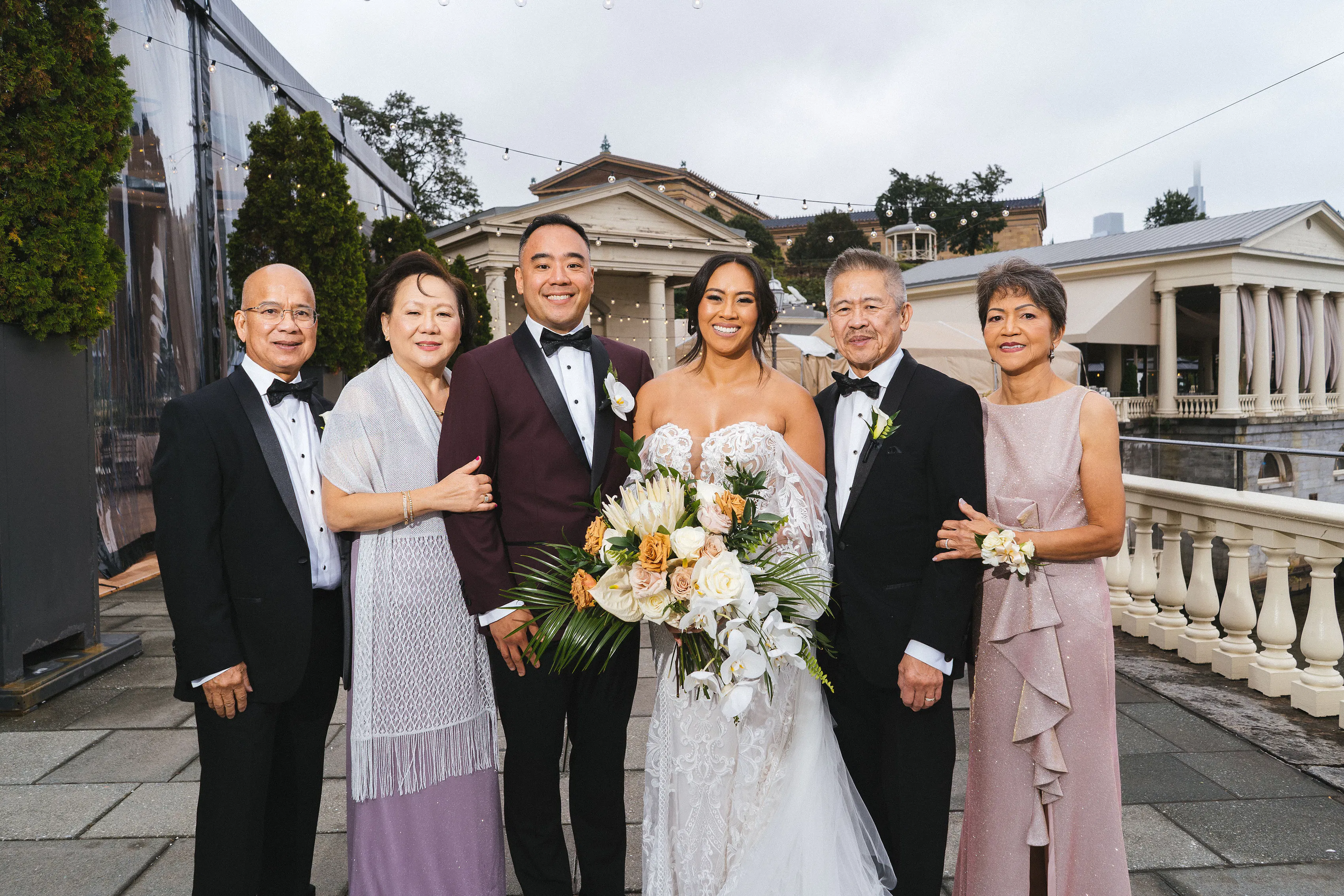
Dress the Part: Putting It All Together
Now that every wedding party role is accounted for, it is time to think about how the whole crew will look standing together. Coordinating attire across bridesmaids, groomsmen, parents, and younger attendants can feel like a big task, but it does not have to be. Well-fitted suits or tuxedos can unify the entire party, and pairing them with the right tie, pocket square, or vest makes it easy to personalize each look. From the best man in a classic black suit to the ring bearer in a matching kids' suit and beyond, the right attire brings the whole wedding together visually.
Shop Wedding Party Suits at SuitShop
Your wedding party deserves to look and feel their best. At SuitShop, you’ll find suits and tuxedos for everyone in the party, including women's wedding suits, groomsmen attire, and kids' suits for your youngest attendants. With size-inclusive options,f ree swatches to match your color palette, and a free group ordering tool that keeps everyone on the same page and offers 1 free suit for you, outfitting your wedding party has never been simpler. Best of all, every suit is yours to buy and keep, so your crew will have a sharp look they can wear again long after the perfect wedding wraps up.

Sean Parks
Sean Parks is a writer with a focus on men's suiting, formalwear, and personal style. Through his work with SuitShop, he has developed a deep understanding of suit fit, styling, wedding attire, and the details that help people feel confident in what they wear. A proud University of Georgia graduate with dual degrees in Public Relations and Communication Studies, Sean brings a research-driven approach to making suiting advice clear and approachable. When he's not writing about menswear, you'll find him logging miles on the Atlanta Beltline or playing the guitar on his back porch.
More Articles

The Vineyard Wedding Guide: Planning, Venues, and What to Expect
by Sean Parks September 30, 2026

Homecoming Suit Buying Guide: What to Look For and Where to Shop
by Sean Parks September 30, 2026



Customer Service
Contact Us
- Get In Touch
- Corporate Services
- +1 (773) 303-6006
- info@suitshop.com
Sign up for emails
© Copyright 2026 SuitShop