What Is the Difference Between Formal and Semi-Formal Attire?
Published on April 8, 2024 | Updated June 23, 2026
By Lily Ertischek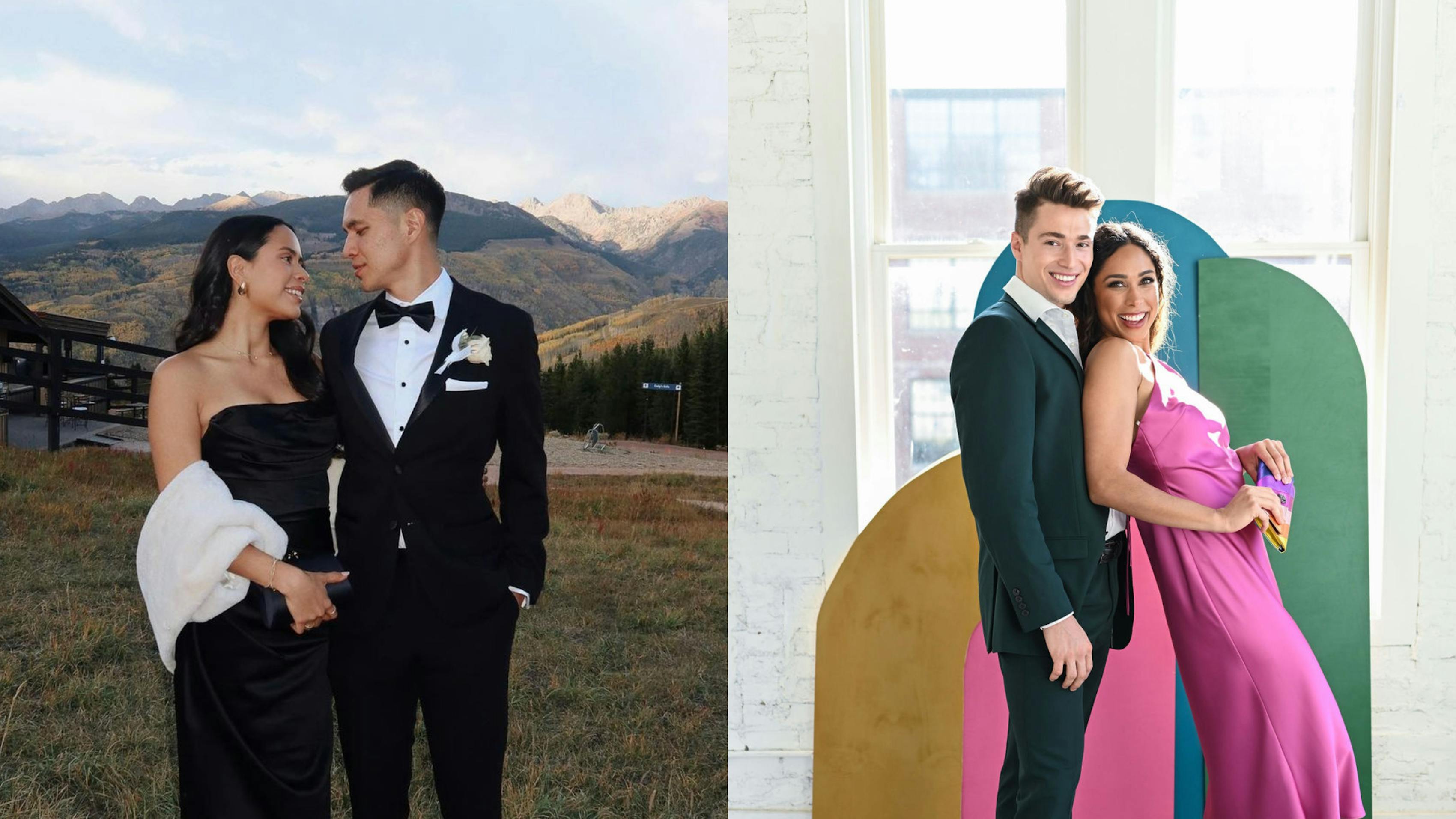
Two Dress Codes, Two Very Different Outfits
Knowing the difference between semi formal vs formal attire is the difference between blending in and standing out (for the right reasons) at any big event. This guide breaks down both dress codes for men and women, what to wear for each, and how to spot which one your invitation is actually asking for.
At a Glance:
- Formal attire is the dressiest dress code, reserved for black tie galas, formal weddings, and upscale ceremonies.
- Semi-formal attire is a step down in formality, leaning polished but with more room for color and personal style.
- The key difference comes down to the suit color, formality of accessories, and time of day.
- Men typically wear a tuxedo or dark suit for formal events and a suit, sport coat, or blazer for semi-formal events.
- Women typically wear floor length gowns for formal events and cocktail dresses or pantsuits for semi-formal events.
Dress codes dictate what you should wear to different events, and formal attire and semi-formal attire are two of the most common categories to know. When choosing wedding suit styles or event outfits, understanding the dress code lets you arrive fashionably and, more importantly, appropriately dressed for the occasion.
Formal vs. Semi-Formal at a Glance
Formal attire signifies especially fancy clothing, reserved for events like upscale weddings, fundraisers, and black tie galas. Semi-formal attire is more relaxed and versatile, common at fancy dinner parties, elevated work events, and weddings that lean a bit more colorful while still feeling refined. Both dress codes demand sharp dressing, but the level of formality changes the outfit completely.
Quick Comparison: Semi-Formal vs. Formal Attire
Element | Formal Attire | Semi-Formal Attire |
Men's outfit | Tuxedo or dark suit | Suit, sport coat, or blazer with dress pants |
Women's outfit | Floor length gown or chic tuxedo | Cocktail dress, midi/maxi dress, or dressy jumpsuit |
Color palette | Black, midnight blue, deep neutrals | Wider range, including jewel tones and lighter colors |
Footwear | Patent leather shoes, polished oxfords, or heels | Oxfords, loafers, brogues, pumps, or flats |
Common events | Black tie galas, formal weddings, opera, ballet | Holiday parties, semi-formal weddings, corporate events |
Time of day | Most often evening events | Day or evening |
For men, formal attire often means a tuxedo or dark suit paired with a crisp white dress shirt, a conservative tie or black bow tie, and polished dress shoes. Women's formal attire usually means floor length gowns or elegant cocktail dresses with sophisticated heels or flats.
Semi-formal attire is a more relaxed look while still demanding sharp dressing. You'll see it requested for fancy dinner parties, some elevated work events, and weddings that lean a bit more laid-back or colorful. Men might opt for a suit jacket or nice blazer with dress pants and a tie, plus matching dress shoes and belt, usually in black or brown leather. Women might wear a stylish cocktail dress or a smart pantsuit, keeping it classy but not overdone. Regardless of gender, there is no need to be afraid of a little color or pattern with semi-formal dress codes.
What Is Semi-Formal Attire for Men?
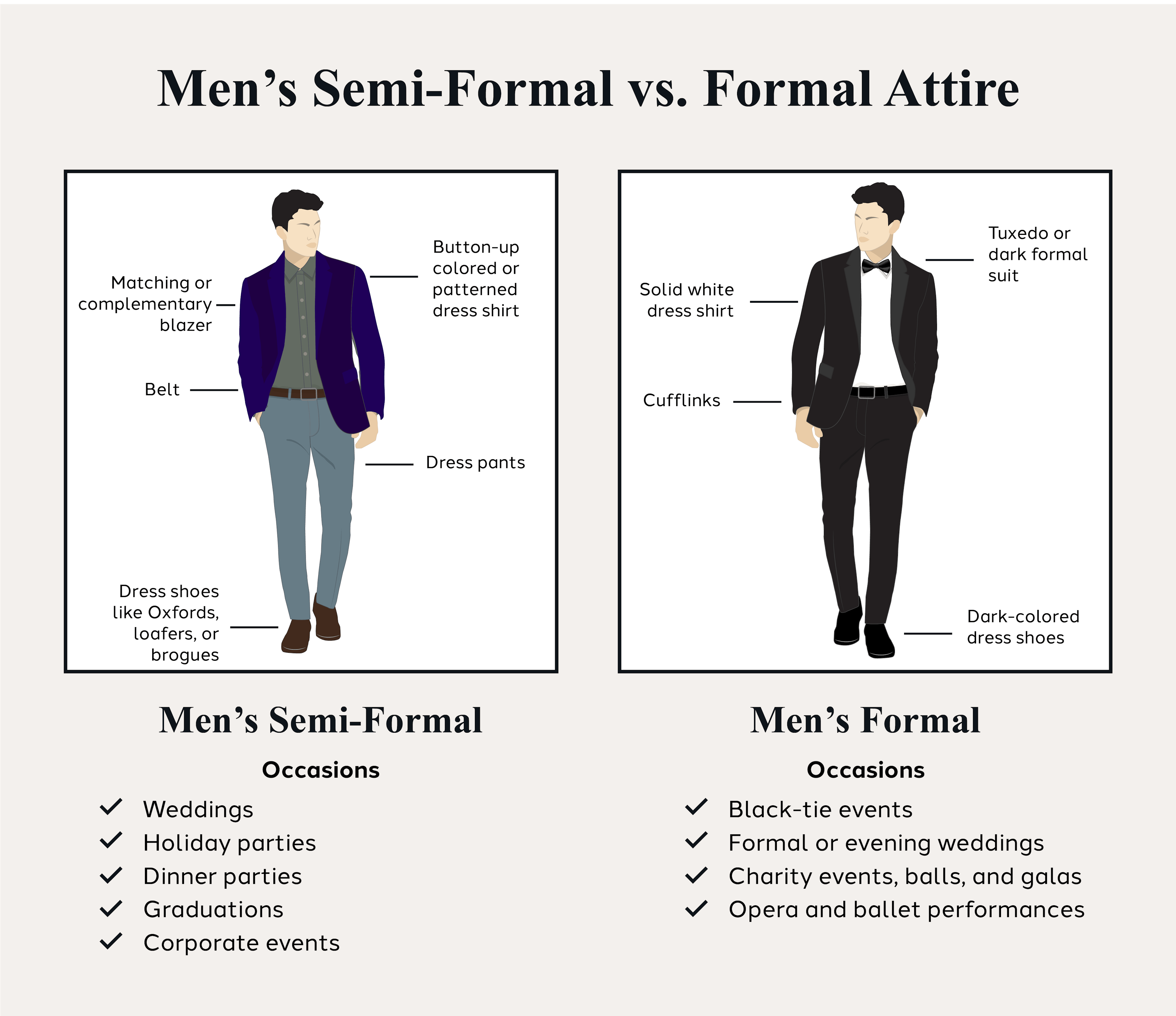
Semi-formal attire for men sits between casual and formal dress codes, hitting the sweet spot where polished meets approachable. An appropriate semi-formal outfit typically pairs a suit jacket, sport coat, or blazer with dress pants, dress shoes, and a matching belt for a coordinated semi-formal look.
Along with the right shirt, the suit ensemble is cocktail-ready. Choose a crisp button-up or patterned dress shirt to complement the jacket and pants. Depending on the color or print of the dress shirt, you can add sophistication and visual interest to your semi-formal outfit. A pastel, denim, or pinstripe shirt brings personality without breaking the semi-formal dress code.
For footwear, dress shoes like oxfords, loafers, or brogues are the preferred choice for a polished finish. Classic suit accessories are the best way to round out the look. Options like ties, tie bars, pocket squares, cufflinks, and dress socks add stylish touches and a hint of personality.
Semi-formal attire is suitable for a variety of occasions, including:
- Weddings.
- Holiday parties.
- Dinner parties.
- Graduations.
- Corporate events.
For semi-formal wedding attire and beyond, flaunt your personal style from the suit to the small details while keeping a refined appearance. The goal is to look sharp without being overly formal, which is what makes the attire appropriate for so many social and professional settings.


What Is Formal Attire for Men?
Formal attire for men represents the dressiest end of the menswear spectrum, typically reserved for the most elevated formal events and black tie affairs. Formal wear ensembles include a tuxedo or dark suit in navy, charcoal, or black, paired with a solid white dress shirt for a timeless, stepped-up look. Tuxedo pants sometimes have a side stripe, which adds a traditional finishing detail at black tie events.
Dark-colored dress shoes, most often black, complete the outfit and add a polished finish. Patent leather shoes or velvet oxfords are popular picks for black tie weddings and formal galas, where the shoes get nearly as much attention as the suit itself.
Accessories are also an important part of formal attire. Try the classic black bow tie, dark dress socks, a pocket square for color or added texture, or cufflinks and jewelry to distinguish your style. A SuitShop tuxedo gives you the clean lines and structure of formal wear while still letting you express personality through the accessories and ties you choose. White tie is an even more formal dress code that calls for tailcoats and is far less common today.
Formal wear is appropriate for fancy, luxurious occasions, such as:
- Black tie events.
- Formal or evening weddings.
- Charity galas.
- Opera or ballet performances.
For these formal occasions, sophistication is key. By following the formal dress code and accessorizing thoughtfully, you can confidently embrace the elegance of formal dressing to make an impression at any upscale event.
What Is Semi-Formal Attire for Women?
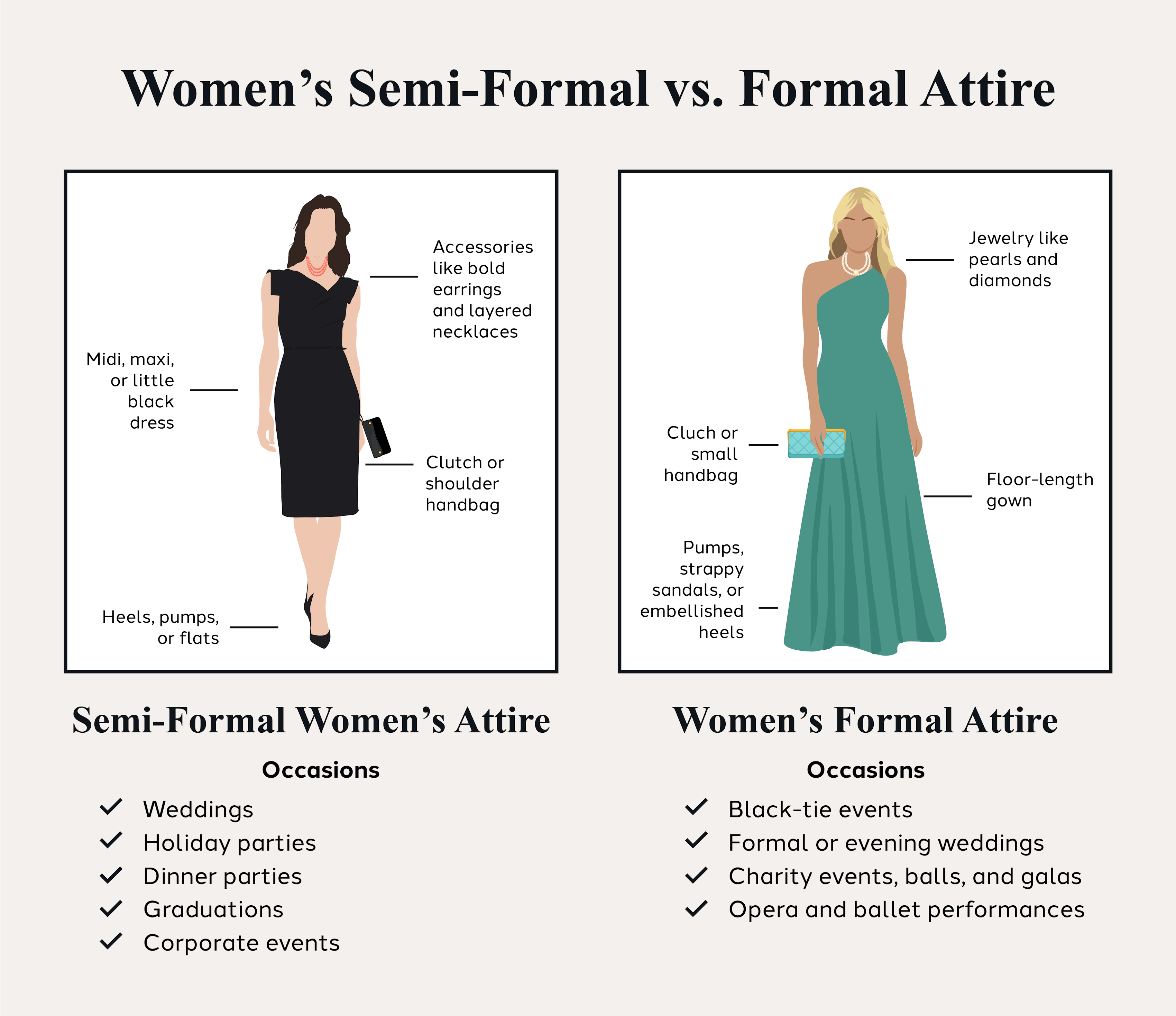
Like semi-formal attire for men, semi-formal attire for women keeps things dressed-up while avoiding excessive or stuffy outfits. The semi-formal dress code typically includes wardrobe staples like the little black dress (LBD) or colorful party dresses, both of which can be easily dressed up or down for different semi-formal occasions.
You can also consider midi or maxi dresses, chic women's suits, or a trendy dressy jumpsuit for a contemporary and equally appropriate look. A tailored women's pantsuit reads modern and polished, and the pieces translate well from weddings to corporate events. Complete the style with footwear like high heels, pumps, or flats, depending on your comfort, taste, and the rest of the outfit.
Accessories matter just as much. Make use of sleek clutches or shoulder bags, layered necklaces, bold earrings, or even a red lip to add personality and flair. For seasonal semi-formal weddings, a structured handbag or statement earrings can carry the outfit from afternoon ceremony to evening reception.
Semi-formal attire works for events ranging from weddings and holiday parties to dinners, graduations, and corporate events. With the right balance of clothing and accessories, you can make semi-formal dressing suit your style and make a statement at any semi-formal event.
What Is Formal Attire for Women?
Formal wear for women is defined by special pieces and a sophisticated feel. Women's formal looks typically feature floor length gowns in luxurious fabrics and styles that emphasize glamour. A chic, tailored women's tuxedo offers a unique, modern alternative if you want a twist on formal attire that is still absolutely appropriate for black tie events.
Stylish footwear options like pumps, strappy sandals, loafers, or embellished heels complete the ensemble and can dictate which direction the look leans. Accessory pieces like timeless pearl, diamond, or precious metal jewelry can add sparkle and higher formality to the outfit. Think statement earrings, delicate necklaces, and sleek clutches or small handbags.
To add coverage or warmth along with extra elegance, go for a pashmina or shawl over your shoulders. For ultra-formal events, consider adding a pair of evening gloves to land that old-world glamour.
Women's formal wear suits a variety of elevated occasions, including formal wedding attire and dressed-up special moments alike. You can also wear formal wear to black tie events, galas, and opera or ballet performances. Embrace the elements of formal attire to walk into any formal occasion with confidence and poise.
Formal vs. Semi-Formal Attire: FAQs
What are tips for dressing appropriately for an event?
Dressing appropriately for an event helps you make a good impression and feel comfortable throughout the occasion. The right outfit usually comes down to reading the invitation carefully, understanding the venue, and finding the right balance between fit and personal style. A few rules of thumb apply across both formal and semi-formal dress codes.
A few tips to guide you:
- Read the invitation. Take note of any dress code mentioned. Black tie, semi-formal, or casual all give valuable guidance on what attire is expected.
- Avoid over or underdressing. Strike the right balance by considering the formality of the event. When in doubt, slightly overdressing is better than feeling out of place at a formal affair.
- Pay attention to fit. Wearing a well-fitted suit is the foundation of a polished look. Use SuitShop's Fit Finder to find your perfect size in two minutes.
- Consider cultural norms. If attending an event in a different cultural setting, take any cultural traditions around dress into account. Respectfully incorporating cultural attire shows sensitivity and appreciation.
- Incorporate personal style while following the dress code. Choose colors, patterns, or accessories that reflect your individuality while still aligning with the event's requirements.
Is semi-formal attire the same as cocktail attire?
Semi-formal and cocktail attire share similarities but are not the same. The key difference is the time of day. Cocktail attire is typically reserved for evening events, while semi-formal attire can be worn throughout daytime events or evening occasions. Cocktail attire also tends to be slightly more formal and glamorous than semi-formal, which leans more classic and understated.
Cocktail attire generally has more specific guidelines, particularly for women. It may include instructions to wear a cocktail dress, while semi-formal attire allows for a broader range of options like dresses, pantsuits, or dressy separates. Cocktail attire for men typically includes a tailored suit and tie.
Are jeans considered semi-formal attire?
No. Jeans are not considered semi-formal attire and are not appropriate for semi-formal events. Semi-formal attire has a more polished, refined look, often involving suits, dresses, or dressy separates. Jeans and other casual fabrics fall under the casual dress code and do not meet the level of formality required for semi-formal occasions.
Do semi-formal dress codes vary by season?
Yes. Weather and seasonal trends influence both dress codes and color palettes for semi-formal events. Spring and summer semi-formal attire leans lighter, brighter, and more vibrant, while fall and winter semi-formal events call for heavier fabrics and darker hues.
A few seasonal cues:
- Spring and summer. Pastel-colored dresses or floral prints for women. Lighter colors in suits or blazers paired with dress pants for men, often in breathable fabrics to suit a daytime wedding or outdoor ceremony.
- Fall and winter. Deeper colors like navy, burgundy, or emerald green for women. Darker suits or tuxedos paired with warmer accessories like scarves or gloves for men. Tweed is a great fabric pick for cooler-season semi-formal events.
Why This Matters for Wedding Attire
Weddings are where formal and semi-formal dress codes show up most often, and getting them right makes the difference between a guest who looks polished and one who looks out of place. A formal wedding usually calls for a tuxedo or dark suit, while a semi-formal wedding gives you room to play with color, pattern, and seasonal fabrics. The same SuitShop suit can pull double duty across both, with a swap of shirt, tie, and accessories doing most of the work to shift between formality levels. Jackets and pants are sized separately at SuitShop, so wedding guests, groomsmen, and grooms all get a closer fit without paying for tailoring.
Ready to Dress the Part?
Dressing well makes you feel good, whether it is for a formal affair or a semi-formal gathering. SuitShop makes it easy to find well-fitted, stylish suits and tuxedos for any special occasion, with pricing about the same as a rental and performance fabrics that hold their shape through long days and dance floors. Use the Fit Finder to find your best size in minutes, then browse the full collection and get fast, free shipping.

Lily Ertischek
Lily is constantly reading, keeping up with the latest TV, and seeking out the best bites. She lives in New York City.
More Articles

The Vineyard Wedding Guide: Planning, Venues, and What to Expect
by Sean Parks September 30, 2026

Homecoming Suit Buying Guide: What to Look For and Where to Shop
by Sean Parks September 30, 2026



Customer Service
Contact Us
- Get In Touch
- Corporate Services
- +1 (773) 303-6006
- info@suitshop.com
Sign up for emails
© Copyright 2026 SuitShop